June 2, 2026
How to Cook Healthy Meals on a Student Budget
How to cook healthy meals on a student budget with a short staple list, three basic methods, and batch cooking that saves money and time.
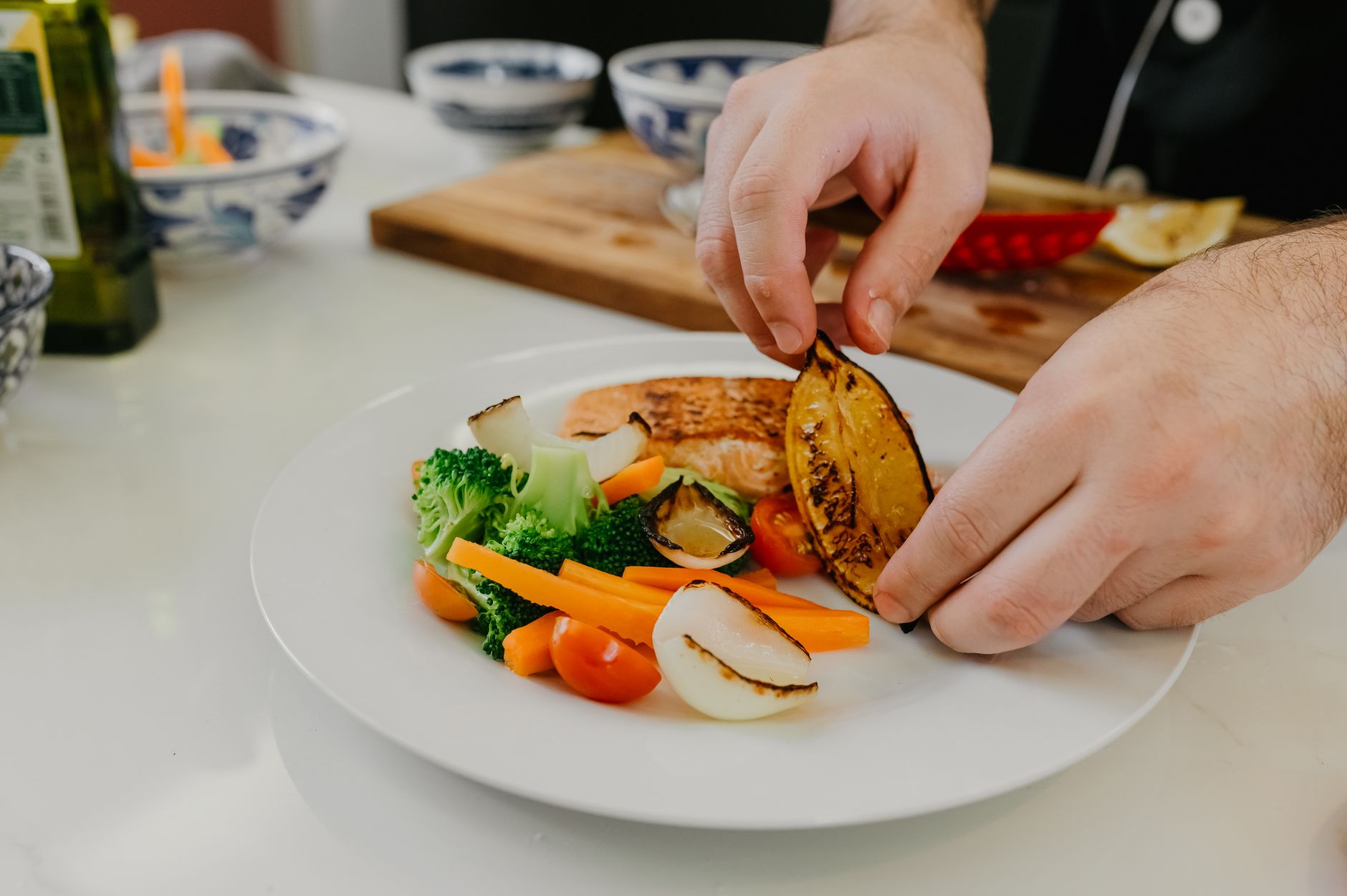
The short answer: cook healthy meals as a student by keeping a short list of staple ingredients, learning two or three batch meals a week, and using simple methods like boiling and roasting that need little skill. This system costs less than daily takeout and keeps your energy steady for studying.
Healthy Cooking at a Glance
| Question | Answer |
|---|---|
| What is the cheapest healthy base? | Rice, oats, beans, and eggs stretch far per dollar. |
| How do I save time? | Batch cook two meals on one day and reheat. |
| Do I need many tools? | A pot, a pan, a knife, and a cutting board cover most needs. |
| How do I eat enough vegetables? | Buy frozen. It is cheap, lasts long, and keeps nutrients. |
| Is it cheaper than eating out? | In most cases yes, once you buy staples. |
Why Cooking Pays Off in School
Cooking is not only about health. It is a budget lever. A homemade rice and bean bowl can cost a fraction of a delivered meal, and the difference compounds across a term. Steady meals also help focus. Long gaps or sugar heavy snacks lead to energy crashes that hurt study sessions.
The U.S. Department of Agriculture frames healthy eating on a budget around three moves: plan your meals before shopping, compare prices and unit costs, and prepare food in advance so you are not deciding while hungry 1. MyPlate, the federal nutrition guide, adds that planning, comparing, and preparing are the habits that let most people eat well without overspending 2. None of this requires chef skill. It requires a repeatable setup.
Step 1: Build a Staple List
Stock a small set of items that pair with almost anything.
- Grains: rice, oats, pasta, bread.
- Protein: eggs, canned beans, tofu, peanut butter.
- Vegetables: frozen mixed veg, onions, carrots.
- Flavor: oil, salt, soy sauce, garlic, spice blends.
With these, you can make a bowl, a stir fry, or soup without a new shopping trip. Buy store brands to cut cost further, and check unit prices on the shelf rather than package prices.
Step 2: Learn Three Methods
You only need three techniques to eat well.
- Boil: rice, pasta, eggs, and lentils.
- Roast or pan fry: vegetables and protein in a little oil.
- Mix: combine cooked grains, veg, and protein with a sauce.
A single sheet pan of roasted vegetables and chickpeas feeds several meals. A pot of oats with peanut butter is a fast breakfast. If you order groceries online, keep your account and payment details safe by following basic online safety habits.
Step 3: Batch Cook
Pick one block, maybe Sunday, and cook two meals at once. Boil a pot of rice, roast a tray of vegetables, and cook a batch of beans. Store in containers. Across the week you reheat and add a fresh element like an egg or sauce. This removes the daily decision that leads to ordering food.
A practical companion habit is keeping your space and schedule in order. Learning other weekly routines, like how to do laundry, removes small stressors that push you toward takeout when time is short.
Step 4: Shop With a List
Go in with a plan based on your staples and the week's meals. Shopping while hungry or without a list leads to extra buys. Compare unit prices, not package prices, to find the better deal. Frozen vegetables are your friend here: they are picked at peak and hold nutrients well, often better than tired fresh stock that spoils before you use it.
Five Meals That Cost Little
You do not need recipes from a book. These five use the staple list and cost little per serving.
- Oat breakfast bowl: oats, peanut butter, banana, a dash of cinnamon.
- Rice and beans: rice, canned beans, frozen veg, soy sauce or hot sauce.
- Egg fried rice: leftover rice, two eggs, frozen veg, a little oil.
- Pasta aglio: pasta, garlic, oil, salt, optional chili.
- Vegetable soup: frozen mixed veg, canned tomatoes, lentils, broth.
Each one feeds you for under the cost of a single takeout item, and most keep for a day or two in the fridge.
A Sample Weekly Plan
| Day | Lunch | Dinner |
|---|---|---|
| Monday | Oat bowl | Rice and beans |
| Tuesday | Leftover rice | Egg fried rice |
| Wednesday | Pasta aglio | Vegetable soup |
| Thursday | Oat bowl | Rice and beans |
| Friday | Leftover soup | Pasta aglio |
| Saturday | Egg fried rice | Rice and beans |
| Sunday | Oat bowl | Batch cook for the week |
The plan repeats on purpose. Repetition means fewer shopping trips and less decision fatigue, which is exactly what protects the habit on a busy week.
Nutrition Basics on a Budget
Healthy does not require exotic ingredients. Aim for a protein source, a vegetable, and a whole grain at most meals. Eggs, beans, and tofu cover protein cheaply. Frozen vegetables cover the produce need without spoilage. Whole grains like brown rice and oats cost less than processed snacks and keep you full longer. The MyPlate guide suggests filling half your plate with fruits and vegetables, a quarter with protein, and a quarter with grains 1. You do not have to be precise, but the rough split keeps your energy steady for studying.
A Shopping List That Stays Cheap
Build the list from the staple categories and buy in larger sizes when the item keeps. Rice, oats, and pasta in bigger bags cost less per serving. Canned beans and frozen veg are shelf and freezer stable, so they reduce both cost and waste. Shop the outer edges of the store where the staples live, and treat the center aisles as occasional, not the plan.
Cooking With a Tiny Kitchen
A hot plate and one pot handle most student cooking. Sheet pan meals work in a toaster oven if you have one. Keep the staple list tight so storage is not a problem, and wash as you go so a small space does not become a mess that stops you cooking. The limit is space, not the food you can make.
Make Leftovers Work
Leftovers are the quiet engine of cheap cooking. Cook once, eat two or three times by reheating or by flipping the dish: roasted vegetables become a wrap, rice and beans become a bowl with a fresh egg. Store in clear containers so you can see what is ready. Food you can see gets eaten; food hidden in the back of the fridge gets wasted, and waste is the real budget leak.
Common Misconceptions
- "Healthy means expensive." Staples are the cheap option, not the costly one.
- "I need a big kitchen." One pot meals and a hot plate handle most needs.
- "Fresh is always better than frozen." Frozen often holds more nutrition by the time you eat it.
- "I must cook every day." Batch cooking means you cook once, eat several times.
- "Skipping protein is fine." Add beans or eggs or you get hungry again fast.
Frequently Asked Questions
How much should I budget for food a week?
It varies by location, but cooking staples at home typically costs less than daily prepared food. Track it for two weeks to learn your number, then set a weekly cap.
Is frozen vegetables healthy?
Yes. They are picked and frozen at peak, so nutrients hold well, often better than weary fresh stock that has traveled and sat.
What is the fastest healthy meal?
Oats with peanut butter and a banana, or rice with beans and frozen veg, both under fifteen minutes.
Do I need a microwave?
Helpful, not required. A pot and pan cover most student cooking.
How do I cook with a tiny kitchen?
One pot meals and a hot plate handle most needs. Keep the staple list tight so storage is not a problem.
Where can I learn more free?
Government nutrition sites like MyPlate offer free plans and recipes. Start with their budget tips before paying for any app.
About the author
Michael R. spent 12 years as a learning specialist and study skills coach. He writes about the evidence behind study techniques, testing claims like spaced repetition and interleaving against actual student outcomes.