June 14, 2026
How to Learn Portuguese: A Practical Study Plan
A practical, non-hype plan to learn Portuguese: listen to and read Portuguese you understand, review words with spaced repetition, and practice daily. No paid apps required.
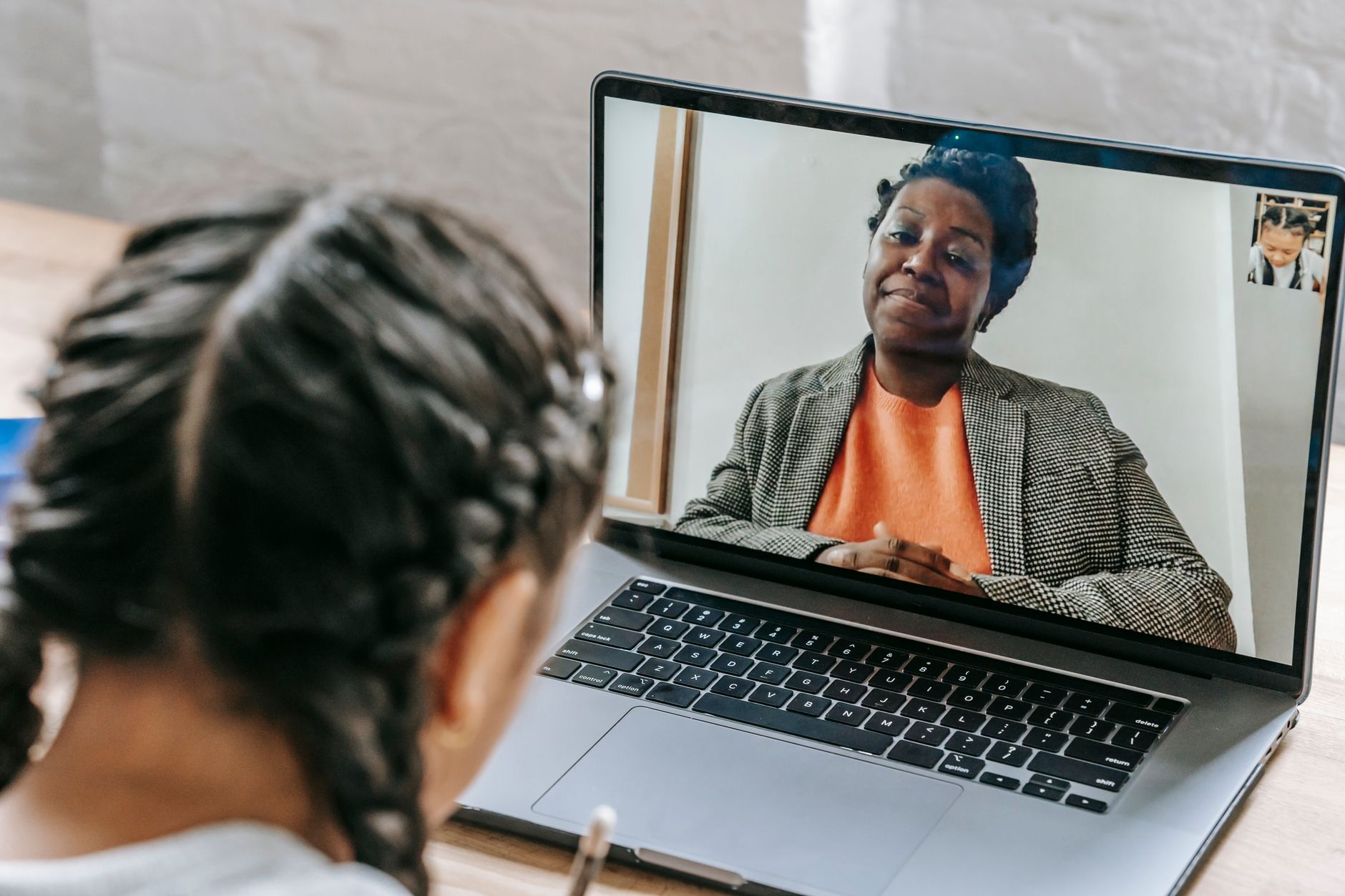
Direct answer: learn Portuguese by listening to and reading Portuguese you mostly understand, reviewing vocabulary on a spaced schedule, and practicing a little every day. Below is a plan you can start tonight with free materials.
Portuguese at a Glance
| Question | Answer |
|---|---|
| How hard is it for English speakers? | The U.S. Foreign Service Institute places Portuguese in Category I, its easiest tier, at about 600 to 750 class hours to working proficiency. |
| What writing system? | Latin alphabet, with nasal vowels and a few extra accents. |
| Biggest early challenge? | Nasal vowels and the differences between Brazilian and European forms. |
| Do you need paid apps? | No. Free input, flashcards, and dictionaries cover the core. |
| Is speaking required to read? | No. Many learners build reading first. |
Comprehensible input is the engine
Stephen Krashen, a linguist who studied second language acquisition, argues that we acquire a language by understanding messages pitched just above our current level, an idea he calls "i+1." You do not learn Portuguese by memorizing rules first. You learn it by meeting it in context you mostly understand. His book Principles and Practice in Second Language Acquisition lays out the case in detail.
What counts as input
For Portuguese, input means slow podcasts, Brazilian music and films, videos with Portuguese subtitles, and short texts where you know most words. The point is that you follow the gist. Grammar drills have a smaller role: they help you notice patterns, not build fluency on their own.
Pick one variant to start
Choose one form to begin, usually Brazilian, because it has the largest pool of free media. Britannica's overview of Portuguese notes the spread of the language across Brazil, Portugal, and parts of Africa and Asia. Mixing both forms from day one can slow listening progress, so sample the other later once your ear is set.
Spaced repetition for vocabulary
A 2013 review by Dunlosky and colleagues rated practice testing and spaced practice as the study techniques with the highest utility across learners and subjects. Flashcards do both at once: each card is a small retrieval test, and a spaced schedule brings words back right before you would forget them. The full piece, Strengthening the Student Toolbox in American Educator, explains the evidence.
Build the deck from your input
Make your Portuguese deck from words you meet in podcasts and texts. A word you use in a sentence sticks better than a word you only glance at. Keep new cards to about 10 to 15 a day so reviews stay under fifteen minutes.
Recall before you flip
The act of retrieving the word from memory is what builds the memory. Reading the answer on the front of a card teaches you almost nothing. Pause, say the word out loud, then check.
A daily routine that fits a busy week
A short daily loop beats a weekly cram. Try this.
- Listen or read for fifteen minutes of Portuguese you mostly understand.
- Add five to ten new words to your deck.
- Review your spaced repetition deck for ten minutes.
- Speak or write three sentences using today's words, aloud if possible.
- Keep the streak visible so the habit holds.
That is about forty minutes a day, roughly five hours a week. Here is a realistic week.
| Day | Focus | Time |
|---|---|---|
| Monday to Friday | 15 min input, 10 min deck, 3 sentences | 40 min |
| Saturday | Longer reading plus a new grammar note | 60 min |
| Sunday | Light listening only, no new cards | 20 min |
The two real hurdles
Nasal vowels
Portuguese has nasal vowel sounds that English lacks, and they change meaning, as in "avo" (grandfather) versus "avoo" (grandmother, with a nasal quality). Ear training with audio is the fastest path. Repeat phrases out loud and notice how the sound is produced through the nose.
Brazilian versus European forms
The two main forms differ in pronunciation and, to a degree, in vocabulary and grammar. Choose one for early study so your input stays consistent. The grammar core is shared, so switching later is far easier than starting split.
Common misconceptions
- Translate word for word. False. Portuguese word order and idioms differ from English.
- Skip pronunciation. False. Nasal vowels need ear training.
- Mix Brazilian and European input too early. False. Pick one to start.
- Cram vocabulary in one session. False. Spacing keeps it.
- Use only apps with no real Portuguese. False. Add music, film, and conversation.
Frequently asked questions
How long does it take to learn Portuguese?
The U.S. Foreign Service Institute estimates about 600 to 750 class hours, roughly 24 to 30 weeks of full time study, for an English speaker to reach professional working proficiency. Daily casual learners usually take longer, but progress is steady with input plus review.
Is Portuguese easier than other languages?
For English speakers it sits in FSI Category I, the easiest tier, partly because of shared vocabulary with Spanish and phonetic spelling. German and East Asian languages take considerably more time.
Should I learn grammar or vocabulary first?
Start with vocabulary through comprehensible input, then add small grammar notes only when a pattern keeps recurring. This keeps learning tied to real meaning.
What is the fastest way to build Portuguese vocabulary?
Meet words in context, then review them on a spaced schedule. Recalling the word from memory each day beats rereading a list.
Can study groups replace solo study?
No, but speaking with others adds retrieval through teaching. Use them alongside solo input and review.
Do I need to live in a Portuguese speaking country?
No. With online input, tutors, and communities, many learners reach strong reading and listening ability without traveling.
Related articles
- How to Learn Spanish: A Practical Study Plan
- How to Learn French: A Practical Study Plan
- How to Learn Italian: A Practical Study Plan
Sources
About the author
Michael R. spent 12 years as a learning specialist and study skills coach. He writes about the evidence behind study techniques, testing claims like spaced repetition and interleaving against actual student outcomes.