June 17, 2026
How to Manage Exam Time Without Panicking
Learn how to manage exam time by budgeting per section, using checkpoints, and recovering when you fall behind, with a system you can rehearse before test day.
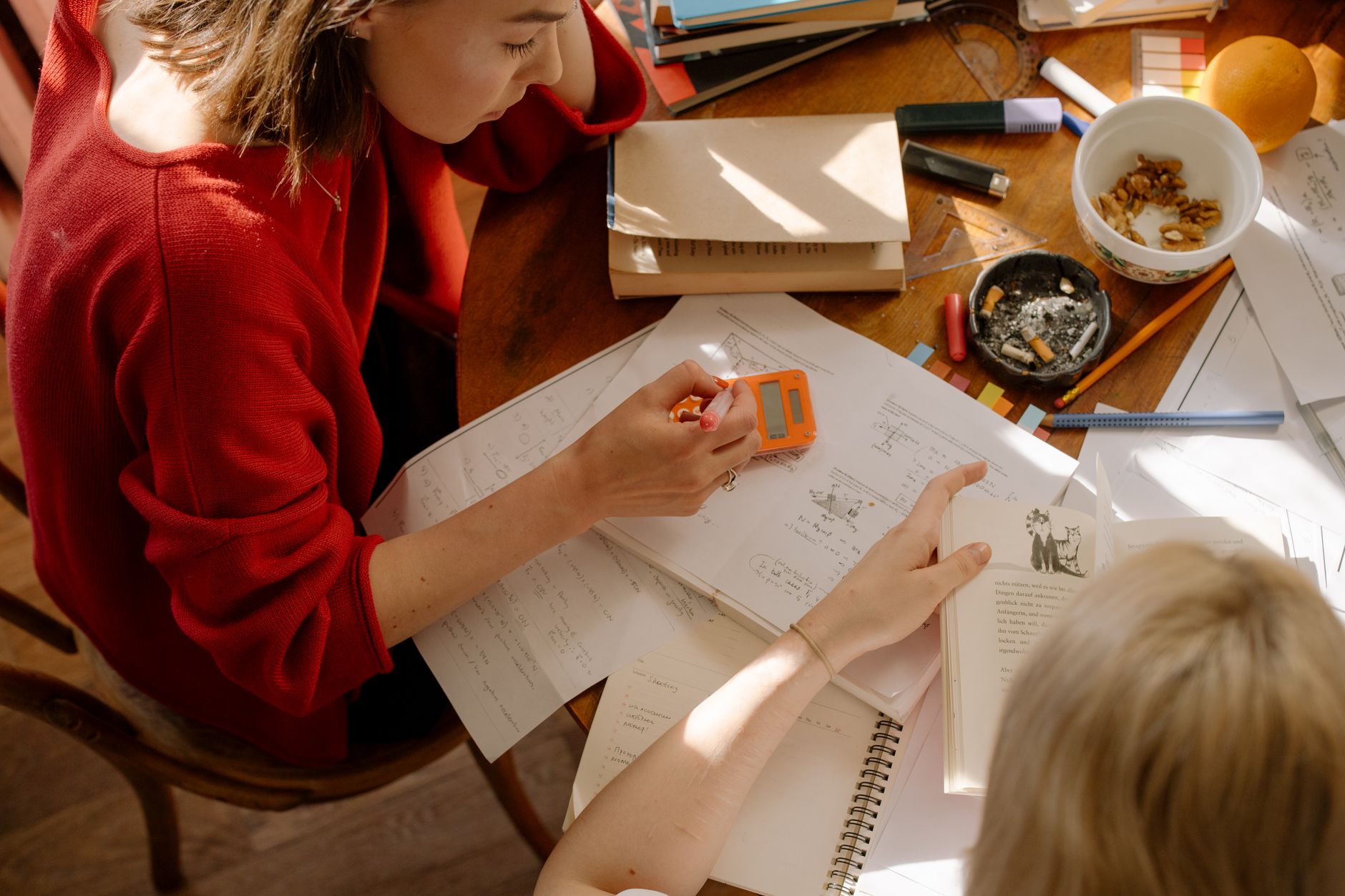
The short answer: manage exam time by dividing the total minutes by the number of questions before you start, setting checkpoints at the halfway and three quarter marks, and skipping questions that eat time so you can return later. This guide gives a system you can rehearse so the timing becomes automatic on test day.
I coach test prep, and the students who run out of time are rarely the slowest. They are the ones who never decided in advance how the clock should be spent. A plan you write at the start removes the panic from the middle.
Time Management at a Glance
| Question | Answer |
|---|---|
| How do I set a pace? | Total time divided by question count gives a per question budget. |
| What are checkpoints? | Marks to be halfway and three quarters done by set times. |
| Stuck on one question? | Skip it, mark it, and return if time allows. |
| What ruins timing? | Over editing early answers and reading distractions. |
| How do I practice? | Timed sessions that mirror the real time limits. |
Calculate your pace before the test
You cannot manage time you have not measured. Before the exam, divide the minutes by the questions. A 60 minute section with 30 questions gives two minutes each. A 45 minute essay with planning gives a different split. Write the pace on scratch paper at the start so you are not doing math mid exam.
For tests with mixed sections, budget each section on its own. The reading part and the problem part rarely share one comfortable pace.
Set checkpoints
Checkpoints are your early warning system. At the halfway time, you should be near half the questions. At three quarters of the time, you should be near three quarters done. If you are behind at a checkpoint, speed up by skipping hard items, not by rushing answers you can still get right.
The halfway check
Glance at the clock once you reach the middle of the time. If you are at question 14 of 30 with half the time left, you are on track. If you are at question 9, you need to change behavior now.
The three quarter check
This is your last chance to abandon slow items. After this point, only answer questions you can finish, and guess on the rest if the scoring allows.
Handle the hard questions
The biggest time leak is one question that will not resolve. Decide in advance: if you pass your per question budget with no answer, mark it and move. A single hard question is not worth three easy ones you never reach.
Return to skipped items only after you have answered everything you can. Often a later question relaxes your mind and the skipped one becomes clear on the second pass.
Practice under a clock
Timing only feels natural after rehearsal. Take full practice tests with the same time limits. Track where you drift. Drilling the underlying topics so the steps become automatic is what actually saves time, because speed comes from fluency, not from rushing.
Study groups can run mock exams where one member keeps time, which builds the habit of checking the clock without you forcing it.
Track score alongside time
Note not just how fast you finished but how many you got right. A fast section with many wrong answers means you rushed. The aim is a pace that keeps both accuracy and completion high, and only timed practice shows you the trade.
A worked example of pacing
Say a section has 60 minutes and 40 questions, with 10 of them worth more points at the end. Your per question budget is 1.5 minutes. Write "question 27 by minute 30" as your halfway checkpoint.
If at minute 30 you are on question 22, you are behind. Skip the next hard item, grab two easy ones, and return only if time remains after the three quarter check. The goal is to answer every question you can, not to finish in order.
What to do in the final five minutes
Use the last five minutes for guessing on unanswered items if the test has no penalty. A blank is a guaranteed miss; a guess has a chance. Mark your best elimination first, then commit.
Pacing for different question types
Not all sections bend to the same clock. Adjust your plan to the format.
Multiple choice sections
These reward the skip and return strategy most. Mark your best guess slot, move on, and use elimination. With no penalty, never leave a blank.
Essay or short answer sections
Here the pace is about planning. Spend the first tenth of the time outlining. A one minute outline prevents a half finished essay. If you run short, a clear paragraph with a thesis beats three started and abandoned points.
Mixed sections
When a section blends reading and problem solving, budget the two separately. Reading slowly once saves time later, because you answer from understanding rather than rereading.
Two weeks before the test
Pacing is built in the weeks before, not invented on the day. A short prep plan helps.
| When | Action | Why |
|---|---|---|
| 14 days out | Take one timed section, note drift | Shows your real pace |
| 10 days out | Drill the topics you skipped most | Removes slow items later |
| 7 days out | Full timed practice test | Trains the checkpoint habit |
| 3 days out | Light review, no new material | Keeps the clock feel without fatigue |
| Test eve | Pack bag, set alarm, sleep | Removes morning decisions |
The goal of this plan is not to learn new content. It is to make the clock feel familiar, so timing stops competing with thinking.
Track your drift points
After each timed practice, write down where you slowed. Was it a question type, a section, or the final ten minutes? Targeted drills on that one weak spot save more time than general review.
What if the clock wins anyway
Some tests are simply too long for the time given. When you cannot finish, protect the points you can reach.
Guess strategically at the end
With no penalty, fill every blank in the final minute using elimination. One right guess out of four is free points you would otherwise leave behind.
Review your drift after the test
Note where you lost time, and drill that exact type before the next exam. The clock is a skill, and like any skill it improves with targeted reps.
Separate pace from knowledge
A low score from poor timing is different from a low score from gaps. Knowing which one bit you tells you whether to study more or practice timing more. Most students need a bit of both.
Common Misconceptions
- "I should answer in order no matter what." Moving freely to easy items first protects points you would otherwise miss.
- "Skipping means I am failing." Skipping is a time strategy, not a sign of weakness.
- "I can fix pacing during the test without a plan." Without a written pace, you notice the problem too late.
- "Perfecting early answers is worth it." Over editing early costs the minutes you need for later questions.
- "Checkpoints are for slow students." Everyone drifts; checkpoints catch the drift early.
Frequently Asked Questions
How much time should I spend per question?
Divide total time by question count for a baseline, then adjust for question difficulty. Harder items get more, but never at the cost of reaching the rest.
Should I answer easy questions first?
If the test lets you move freely, yes. Clear the questions you know, then spend remaining time on hard ones and guessing.
What if I am behind at the halfway check?
Skip the next hard items and grab the easy points. You can return only if time remains after the three quarter check.
How do I get faster at math or science items?
Drill the underlying topics so the steps become automatic. Speed comes from fluency, not from rushing your reading.
Is it okay to guess to save time?
On no penalty tests, guessing a stuck question to move on is a sound trade. Use elimination first when you can.
How do I practice timing without a full test?
Use short timed sets. Even ten minutes under a clock builds the checkpoint habit and shows where you slow down.
About the author
Michael R. spent 12 years as a learning specialist and study skills coach. He writes about the evidence behind study techniques, testing claims like spaced repetition and interleaving against actual student outcomes.