June 19, 2026
How to Organize School Supplies for a Calm Semester
Learn how to organize school supplies by subject, build a portable system, and maintain it so you spend less time searching and more time learning.
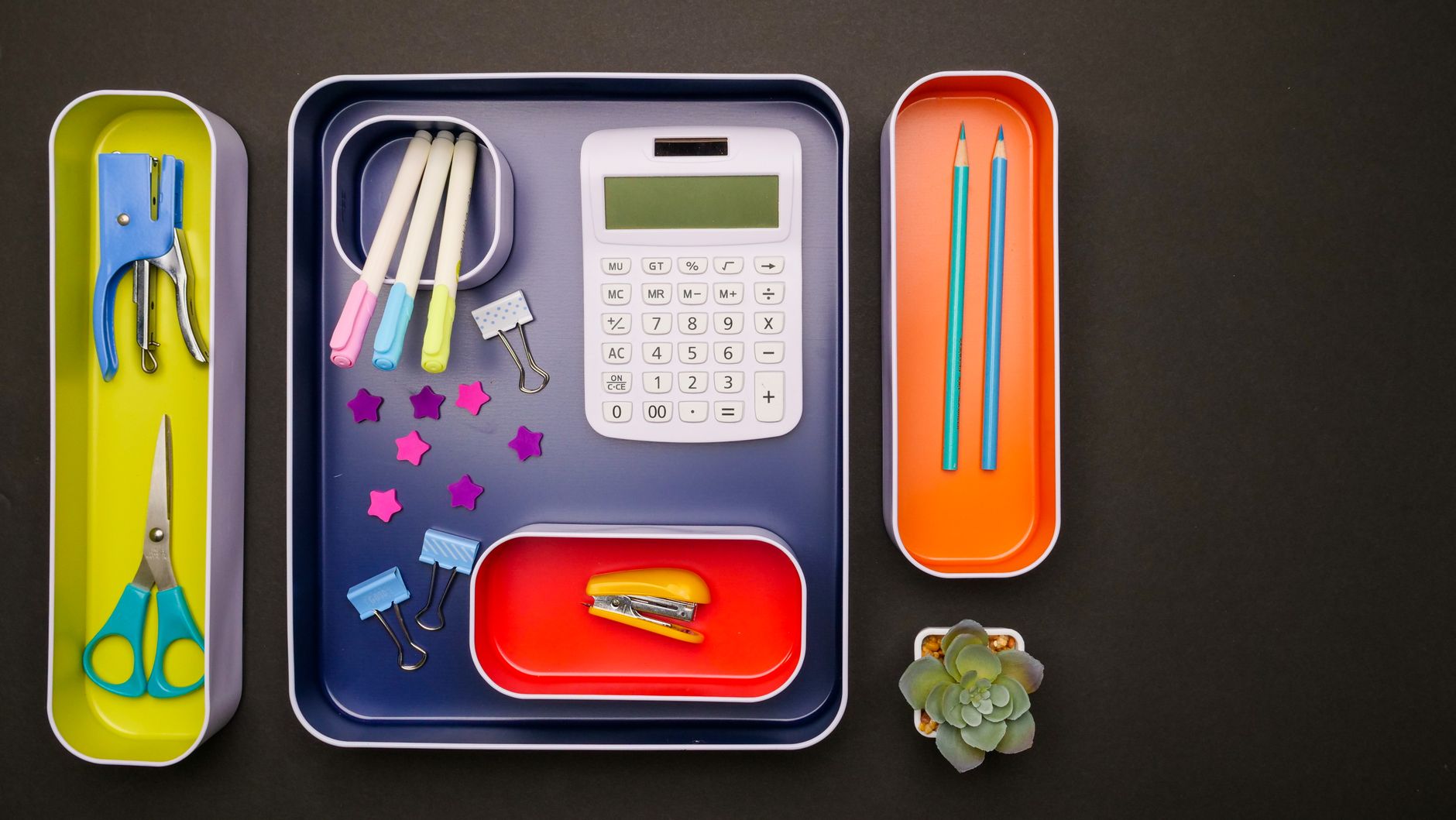
The direct answer: organize school supplies by subject using a consistent container system, keep a portable kit for daily carry, and do a five minute reset each week so nothing piles up. This guide shows a simple setup that works for lockers, desks, and backpacks.
Supply Organization at a Glance
| Problem | Fix |
|---|---|
| Lost handouts | One folder per subject |
| Heavy bag | Leave non daily items in locker |
| Missing pens | A small portable kit |
| Cluttered desk | A weekly five minute reset |
| Duplicate buys | One inventory list |
Why Organization Saves Real Time
Disorganization feels small until you add it up. Looking for a missing worksheet for five minutes a day is over fifteen hours a school year. Organizing supplies is not about being tidy for its own sake. It is about removing friction between you and the work.
A clear system also lowers stress. When everything has a place, the night before a test is about review, not a search party.
Choose a Container System
The most reliable method is one container per subject. That can be a folder, a binder, or an accordion file, as long as it is consistent.
Subject system options
- A binder with tabbed sections per class.
- A folder plus a notebook for each subject.
- An accordion file with one pocket per class.
- A digital folder mirroring the same structure.
Label each clearly with the subject and teacher. Color coding helps the eye grab the right one fast. The key is consistency: if every class has the same kind of home, you stop thinking about where things go.
Build a Portable Daily Kit
You should not carry every supply every day. Build a small kit that travels in your backpack and holds the items you use in most classes.
Daily kit contents
- Two pens and two pencils.
- A highlighter and a small eraser.
- A calculator if your math class needs one.
- A thumb drive or charged laptop as required.
- A reusable water bottle.
Keep the kit in one zip pocket so it is easy to check. Refill it the night before, not in the morning rush. A kit you can verify in ten seconds removes one more morning decision.
Set Up the Locker or Home Desk
At school, the locker holds the items you do not need hourly. At home, the desk holds the deep stock: extra paper, spare binders, and reference books.
Desk setup
- A tray for current subjects only.
- A drawer for spares and extras.
- A charging spot for devices.
- A cleared surface for the day's work.
Keep the system small enough to maintain. A giant organizer you never use is worse than a simple tray you actually empty.
Do a Weekly Reset
Organization decays without maintenance. Spend five minutes every Friday or Sunday returning items to their homes.
Weekly reset steps
- Empty the backpack onto the desk.
- File handouts into the correct subject container.
- Toss or recycle worn out pages.
- Restock the portable kit with pens and spares.
- Note any supply running low before you run out.
A recurring reminder helps the reset become a habit rather than a chore you forget. Tie it to something you already do, like Sunday laundry, so it has a natural anchor.
A Color Code That Actually Works
Pick one color per subject and use it on the folder, the notebook, and the tab. Math is blue, history is red, biology is green. After a week the color does the sorting for you: a stray green worksheet belongs with biology before you read a word. Keep the scheme small, six colors at most, or the system becomes its own clutter.
Digital and paper, same structure
Mirror the paper system in your files. One folder per class, named the same way, with subfolders for notes, handouts, and graded work. When the paper and digital homes match, you never wonder where something lives. Back up the digital folder to the cloud so a lost laptop is annoying, not catastrophic.
The Locker and the Backpack
At school, the locker holds the deep stock: extra binders, the lab manual, the novel you only need on Thursdays. The backpack holds the daily kit plus the day's specific items. Each afternoon, return the day's items to their locker home so the backpack does not become a dumping ground. A backpack that weighs less is one you will actually carry instead of abandoning.
Common Mistakes
- Using one giant notebook for every subject.
- Carrying the full supply load daily and straining your back.
- Skipping the weekly reset until the desk overflows.
- Buying duplicates because the inventory was never written.
- Mixing finished and current work in the same folder.
Supplies for Specific Subjects
Not every class needs the same kit. A lab class needs a bound notebook that survives spills and a pen that writes through glove boxes. An art class needs a flat case so work does not curl. A language class needs a small vocab card set. Build the subject container around what that class actually uses, not a generic list, so the container earns its place.
The end of term declutter
When a term ends, sort each container: keep the reference pages, recycle the finished work, and reset the container for the next class. This declutter prevents the drawer from filling with dead weight. A once a term clear out takes twenty minutes and keeps the system honest through the year.
Frequently Asked Questions
What is the best way to organize supplies for multiple subjects?
One container per subject, labeled and color coded, is the most reliable. Keep current work separate from finished work.
How often should I clean out my backpack?
A light weekly reset prevents buildup. A deeper clean each term keeps the system honest.
Should supplies be digital or paper?
Use both where they fit. Paper for in class notes, digital for portals and long term storage, with the same subject structure in each.
What do I do with old handouts?
File the ones tied to a future test, recycle the rest after the unit ends. Do not let them live in the backpack forever.
How do I stop losing my calculator?
Keep it in the same zip pocket of the daily kit and check that pocket every evening during the reset.
Can better organization actually help my grades?
It helps indirectly by protecting study time and lowering stress. The deeper study routines in how to stay on top of homework and the start-of-year plan in how to prepare for a new school year build on an organized base, and the back to school checklist covers the supplies themselves.
One Week With the System
Monday: place the week's items in each subject container and refill the daily kit. Wednesday: during the midweek reset, file the handouts from the first two days and recycle the dead ones. Friday: the full five minute reset, restock pens, note the low supply. The repetition is small enough to keep and large enough to prevent the pile. After a month the system runs without thought, which is the point: organization should cost minutes, not attention.
When the system breaks
If the desk floods, do not overhaul it. Return to the reset and the one container per subject rule. Most breakdowns come from skipping the weekly reset, not from a flawed system. A five minute reset repairs more than an hour of reorganizing ever will.
About the author
Michael R. spent 12 years as a learning specialist and study skills coach. He writes about the evidence behind study techniques, testing claims like spaced repetition and interleaving against actual student outcomes.