June 28, 2026
How to Stay Healthy During Exams
Learn how to stay healthy during exams with sleep, food, movement, and break strategies backed by research on sleep, GPA, and student stress, so study time actually lands.
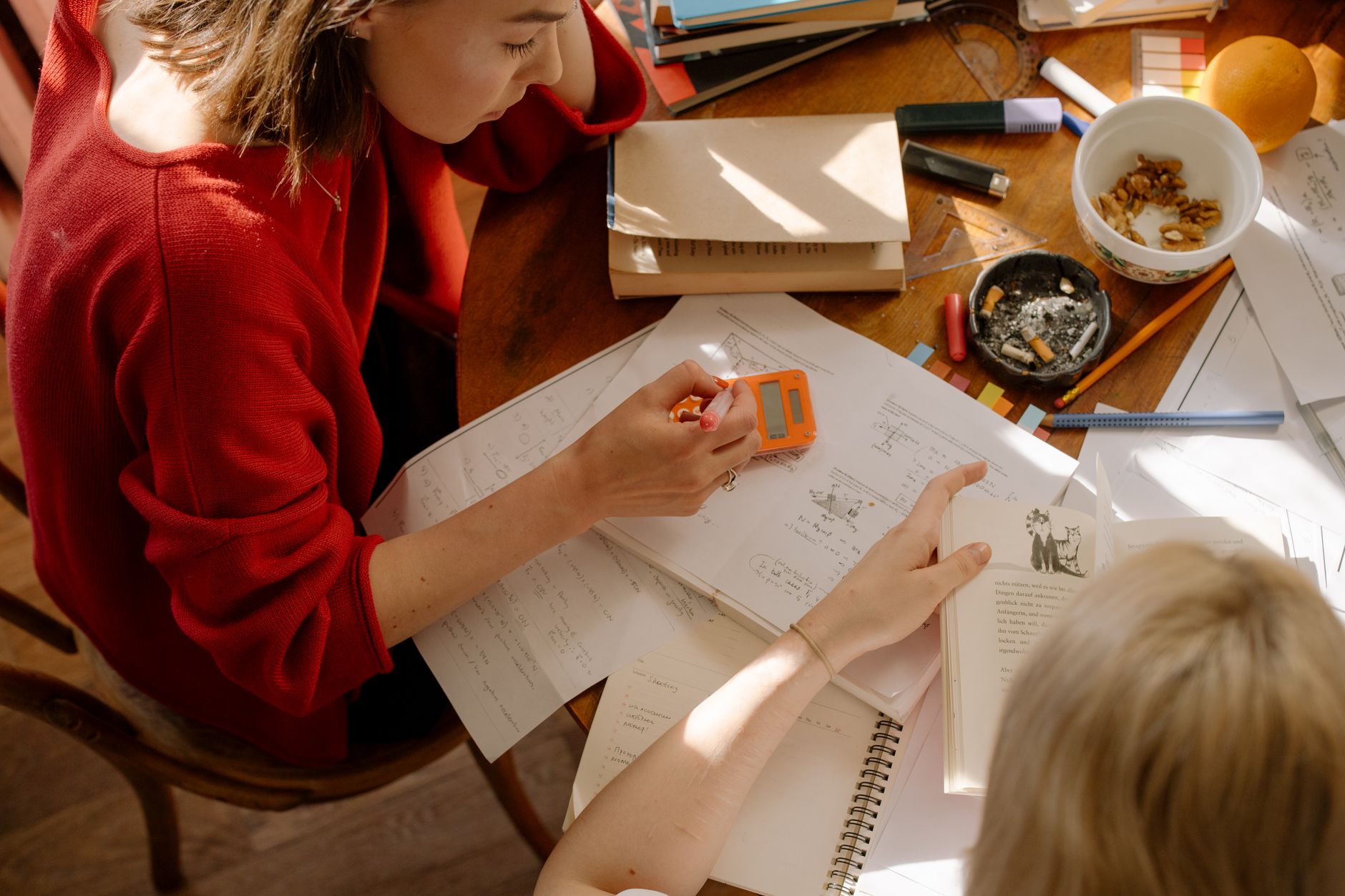
The direct answer: to stay healthy during exams, protect your sleep, eat regular meals, move your body each day, and take real breaks instead of cramming nonstop. This guide turns those habits into a simple plan you can follow through any exam week.
This is study-support advice, not medical care. If sleep, stress, or mood problems persist for weeks or pull you away from school and friends, talk to a counselor or doctor.
Staying Healthy During Exams at a Glance
| Question | Answer |
|---|---|
| What matters most? | Sleep. Research ties shorter sleep to lower GPA in college students. |
| Do I need to exercise? | Short daily movement helps mood and stress, even a 20 minute walk counts. |
| Should I skip meals to study? | No. Steady food keeps focus; long gaps make concentration worse. |
| How long should breaks be? | A short break every 45 to 60 minutes prevents fatigue and keeps recall strong. |
| Is caffeine a fix? | It helps briefly, but too much harms sleep, which hurts the next day's focus. |
Why Health Slips During Exam Season
Exam weeks pull students into a trap. You cut sleep to cram, skip exercise to save time, and live on coffee and snacks. Each choice feels like it buys study hours, yet the trade is real.
Research on first-year college students found that less nightly sleep early in the term predicted lower end-of-term GPA, with every hour of lost sleep associated with about a 0.07 point drop in GPA, and that sleeping under six hours was especially harmful. The study, published in PNAS, tracked students with wrist devices across several universities, so the sleep numbers were measured, not guessed. A large survey of Norwegian students likewise found that those sleeping seven to nine hours had the lowest risk of failed exams, while sleeping under five hours or over ten raised the odds. You can read that analysis at PMC.
The body and brain do not separate from the work. When one suffers, the studying suffers with it.
Protect Your Sleep First
Sleep is the habit with the clearest link to exam performance in the research. Quality matters as much as length. Most adults do best with seven to nine hours, according to CDC guidance, though individual needs vary.
Keep a consistent wake time
A fixed wake time anchors your day even if bedtime shifts. If you study late, still wake at a similar hour so your body keeps its rhythm.
Stop the all nighter
Pulling a full night costs more than it gains. The PNAS study above showed the sharpest GPA penalties for students averaging under six hours. A tired brain recalls slower and makes more small errors.
Wind down before bed
Screens and caffeine near bedtime push sleep later. Try a non screen wind down: pack your bag, review notes by hand, then sleep. Do the active quizzing earlier in the evening so the late hours are for rest, not panic.
Eat to Keep Focus Steady
Food is fuel for attention. You do not need a special diet, you need regularity.
Build a simple meal rhythm
Three meals with a snack beats one big late dinner. Stable blood sugar supports steadier concentration through a study block.
Favor foods that sustain energy
Protein, whole grains, fruit, and vegetables give slow energy. Heavy fast food or lots of sugar can cause a crash that lands mid study session.
Watch caffeine timing
A morning coffee is fine for most people. Caffeine late in the day lingers and shortens sleep, which then hurts the next day. If you rely on it to stay awake, treat that as a signal to sleep earlier, not to drink more.
Move Your Body Every Day
Exercise is one of the most studied ways to lower stress and lift mood. A 2025 systematic review of university students found a consistent association between higher physical activity and lower stress, anxiety, and depression, with effects that were small to moderate and stronger in longer programs. The review is summarized at Frontiers in Sports and Active Living. A separate meta-analysis of more than 8,000 students reported moderate reductions in anxiety, depression, and stress after exercise programs, with details at Frontiers in Psychology.
How to fit it in
You do not need a gym. A 20 to 30 minute walk between study blocks clears your head. Stretch during breaks. A short session of movement after a hard topic can reset your focus for the next one. The research did not favor one student-friendly format over another, so pick what you will actually do.
Take Real Breaks
Studying without pause feels productive but drains recall. Breaks are part of the work, not a reward after it.
Use a rhythm that fits you
A 45 to 60 minute focused block with a 5 to 10 minute break works for many students. Step away from the desk, look outside, drink water. Let the brain settle.
Protect one rest block per day
Beyond micro breaks, keep some evening time free of study. See friends briefly, eat a calm meal, or do something unrelated. This pause reduces the buildup of stress that exam weeks create.
Common Mistakes to Avoid
- Trading sleep for study hours. The lost focus usually costs more than the gained time.
- Using energy drinks to push through. The crash and the sleep loss compound.
- Sitting all day. Even short movement helps mood and concentration.
- Skipping meals to save time. Hunger breaks focus faster than a short meal would.
- Isolating completely. A little social contact steadies mood without eating your schedule.
Frequently Asked Questions
How many hours of sleep do I need during exams?
Most adults function best with seven to nine hours, though needs vary. Quality matters too. A consistent schedule with enough sleep supports recall better than extra cram time on no sleep.
Can exercise really help during a busy exam week?
Yes. Research on students links physical activity to lower stress and better mood, with benefits from short sessions. A daily walk is enough to notice a difference.
What should I eat the day of an exam?
Eat a normal meal with protein and slow carbs, not a huge sugary one. Steady energy helps focus better than a quick spike that fades mid test.
Is it bad to study the night before?
Light review is fine, but a full night of cramming usually backfires through lost sleep. Do a short recap, then rest so memory is sharp in the morning.
How do I stop stress from ruining my health?
Keep sleep, food, and movement steady, and take real breaks. Small daily habits beat a single big fix. If stress sticks for weeks, contact a counselor.
Should I cut out all fun during exams?
No. Brief social time and rest protect your mood and keep you studying longer without burning out. Total isolation tends to raise stress.
About the author
Michael R. spent 12 years as a learning specialist and study skills coach. He writes about the evidence behind study techniques, testing claims like spaced repetition and interleaving against actual student outcomes.