July 5, 2026
How to Study for a Biology Olympiad: A Practical Student Method
How to study for a biology olympiad with the USABO round structure, core topic breadth, past paper practice, and lab skills, plus a study calendar.
The direct answer is that you study for a biology olympiad by covering full undergraduate breadth across cells, genetics, physiology, ecology, and evolution, training with past open exam questions, and building lab technique, because the U.S. competition has a multiple choice open exam, a longer semifinal, and a national final with practicals. This guide gives a step by step method.
The USA Biology Olympiad is administered by the Center for Excellence in Education. This article is an independent study guide and is not affiliated with or endorsed by the competition.
Biology Olympiad Study at a Glance
| Question | Answer |
|---|---|
| What is the first round? | The USABO Open Exam, a 50 minute online multiple choice test. |
| Who advances? | The top 10 percent of open exam takers reach the semifinal. |
| What is the semifinal? | A 120 minute exam with multiple choice, true or false, and short answer. |
| What is the final? | A 12 day national event for the top 20 with practical and theoretical exams. |
| Best study method? | Past papers plus active recall across all topics. |
Understand the Competition Structure
In the United States, the USA Biology Olympiad (USABO) runs through the Center for Excellence in Education. Round 1 is the Open Exam, a 50 minute online multiple choice test open to high school students in grades 9 to 12 at registered schools. Round 2 is the Semifinal Exam, a 120 minute online test for the top 10 percent of open exam takers, with multiple choice, multiple true or false, and short answer or essay parts. Round 3 is the National Finals, a roughly 12 day event where the top 20 semifinalists receive instruction and take practical and theoretical exams. The four top students represent the U.S. at the International Biology Olympiad (USABO exam structure). Confirm current dates and rules on the official site before you plan, since schedules shift by year.
Cover the Full Topic Breadth
Olympiad questions draw from undergraduate biology. Core areas are cell biology, molecular biology and genetics, plant anatomy and physiology, animal anatomy and physiology, ethology, ecology, evolution, and biosystematics. Do not over specialize. A balanced base beats deep knowledge in one corner.
Use a standard introductory textbook as a common reference, since many olympiad problems track its scope. Map each chapter to a topic and schedule it. The botany guide, the zoology guide, and the microbiology guide each cover one slice of this breadth in more depth.
Train With Past Papers
The open exam rewards speed and breadth. Work past open exams under timed conditions so the format feels normal. For the semifinal, practice the true or false and short answer styles, which need precise wording. The competition has no fixed syllabus, so the realistic prep is wide reading plus applied questions, not memorizing a fixed list.
Build Lab Skills
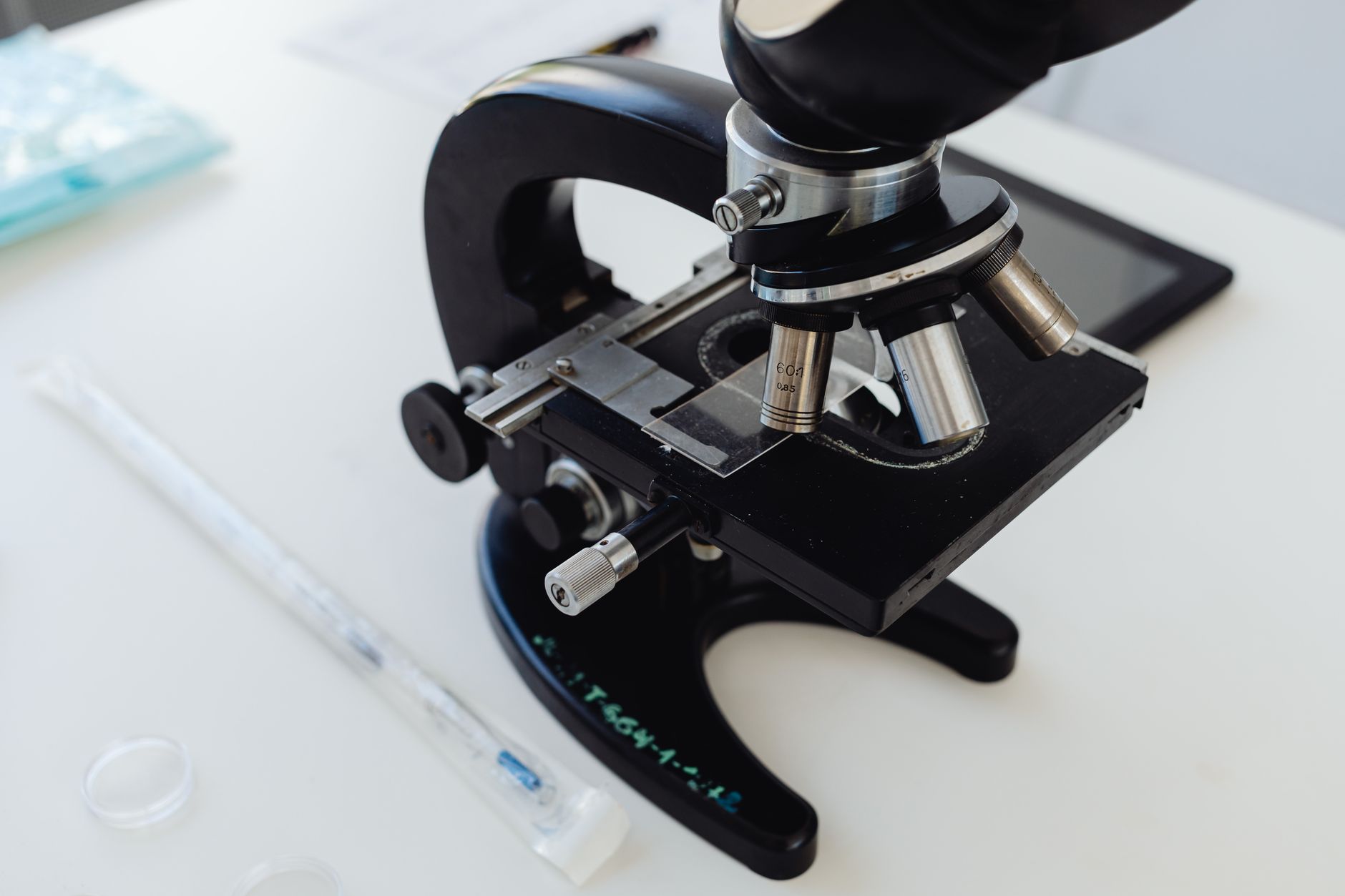
The national final includes practical exams, so hands on skill matters at the top level. Practice with microscopes, staining, dissection, and basic lab math during the year, not just before the final. Even open exam prep benefits from knowing what a prepared slide shows.
Build a study calendar
- Months 1 to 3: Full textbook sweep, one topic per week, self tested.
- Month 4: Past open exams under timed conditions.
- Month 5: Semifinal style questions and weak topic review.
- Month 6: Lab practice and mixed mock exams.
A Worked Topic Map
To see how broad the breadth really is, map one area, animal physiology, across the exam.
- Cardiovascular: heart structure, pressure cycles, gas transport by hemoglobin.
- Renal: nephron function, filtration and reabsorption, osmoregulation.
- Nervous: action potentials, synapses, sensory pathways.
- Respiratory: ventilation, gas exchange, control of breathing.
- Digestive and endocrine: enzyme action, feedback loops, hormones.
Each of those is a full subchapter in a university text. Multiply by plant physiology, cell biology, genetics, ecology, and evolution, and you see why a balanced sweep beats deep focus on a favorite. The fix is not to study harder in your strong area, it is to close gaps in the weak ones.
How to Use Past Papers Without Wasting Them
Past papers are only useful if you treat them like the real thing. Sit with a timer, no notes, and complete the full section. Then grade strictly and sort every miss into one of three buckets: forgot it, misunderstood it, or ran out of time. Forgot it means more retrieval. Misunderstood it means reread the source chapter. Ran out of time means more timed drills. Most students only do the first pass and learn little. The grading step is where the gain lives.
Short answer wording
The semifinal short answer rewards precise wording. "The enzyme lowers activation energy" is better than "it makes the reaction faster." Practice writing one sentence answers that name the mechanism, not just the outcome. This is a writing skill you can train daily with any textbook diagram.
Common Misconceptions
- Studying only the topics you like and skipping ecology or ethology.
- Skipping timed practice, then running out of minutes.
- Ignoring the short answer wording the semifinal expects.
- Waiting until late to build lab skills.
- Using outdated competition rules instead of the current year.
- Assuming the open exam tests only memorization. It tests breadth and application under time pressure.
Frequently Asked Questions
What is the USABO Open Exam?
It is a 50 minute online multiple choice test open to U.S. high school students at registered schools, and it is the first round.
How do you advance past the open exam?
The top 10 percent of open exam takers qualify for the 120 minute semifinal exam.
What happens at the national finals?
The top 20 semifinalists attend about 12 days of instruction and testing, including practical and theoretical exams, and four advance to the international event.
Which textbook should I use?
Many students use a standard introductory biology textbook, since olympiad scope tracks it. Ask your teacher which edition your region recommends.
Is the biology olympiad only memorization?
No. It tests application across topics and, at the final, lab skill. Active recall on past papers trains that application.
Can study groups replace solo study for the olympiad?
No, but splitting topics with peers covers more ground. Use them with solo practice.
About the author
Grace O. taught AP Biology for 14 years and consulted on AP exam question design. She writes about turning dense biological concepts into reasoning exercises students can actually perform under time pressure.