July 25, 2026
How to Understand Shakespeare: A Student Guide
Understand Shakespeare by reading aloud, using a modern translation as a crutch, and tracking character, motive, and recurring images.
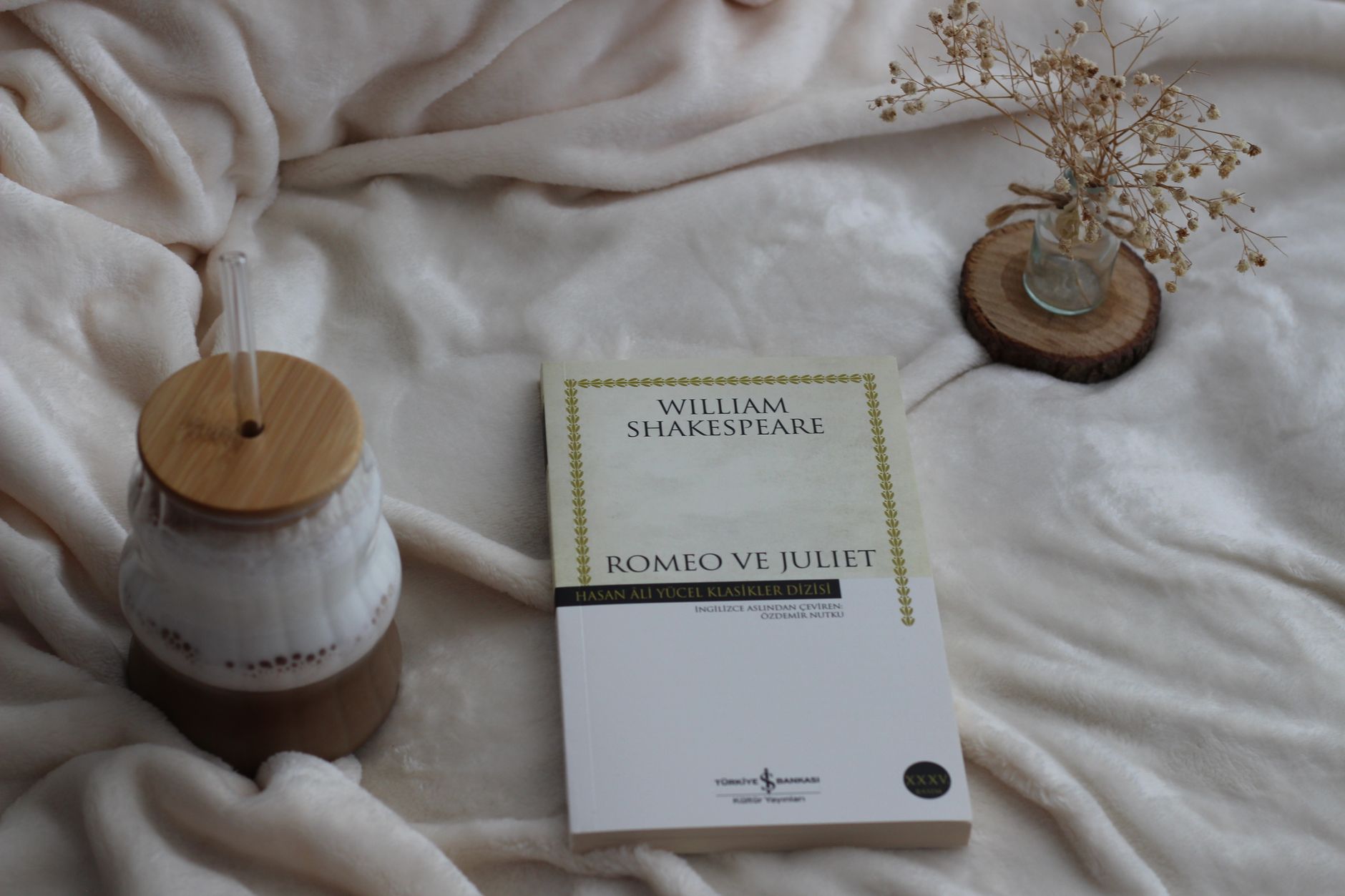
The direct answer: understand Shakespeare by reading the play or poem aloud, keeping a modern translation beside the original as a crutch, and tracking character, motive, and recurring images. This guide gives a step by step method for any play, from Romeo and Juliet to Hamlet, that you can apply the night before a quiz or a month before a paper.
Shakespeare at a Glance
| Question | Answer |
|---|---|
| Why is it hard? | Early modern English, wordplay, and stage context. |
| First step? | Read a scene aloud, even roughly. |
| Should I use a translation? | Yes, as a crutch, not a replacement. |
| What should I track? | Character, motive, and repeating images. |
| How do I study a play? | As a script meant to be performed, not a novel. |
Read It Aloud
Shakespeare wrote for the ear and the stage, not the silent page. Reading a speech aloud reveals rhythm, rhyme, and emphasis that the eye misses. Stumble through it; the sound often clarifies a line you thought you did not understand. I have watched students who were stuck on a soliloquy for ten minutes get it in one loud read.
If a speech feels impossible, say it slowly and let the verbs carry you. Shakespeare's word order differs from ours, yet the grammar is logical once you hear it. The Folger Shakespeare Library, which holds the world's largest Shakespeare collection, publishes line by line teaching notes that model this read aloud approach Folger Shakespeare Library.
Use a Modern Translation as a Crutch
Keep a plain English version, such as a side by side edition, open beside the text. Read the original line, then check the modern phrasing to confirm meaning. The translation is a stepping stool, not the destination. Close it and read the original again once the sense is clear.
Avoid substituting the translation for the text in your analysis. Quotations and marks come from Shakespeare's words, not the paraphrase. Teachers can tell instantly when an essay quotes the modern version by mistake, and the close reading loses its evidence.
Learn the Context That Matters
You do not need a full history degree, but a few facts help. Know the genre, comedy, tragedy, or history, and the broad situation of the scene. Understand that "you" could be singular or plural, and that "thou" signals intimacy or lowered status compared with "you." That single distinction explains a surprising amount of tension in exchanges between kings and servants.
Recognize that many words shifted meaning. "Pretty" once meant crafty, and "still" often meant constant. "Awful" meant worthy of awe, and "cousin" could mean any kinsman, not just a first cousin. A good footnote edition explains these without heavy study. The free full texts at MIT, which publish each play with original spelling, are a reliable place to read the source alongside notes MIT Shakespeare.
Pick an edition that does the work for you
Not all editions are equal. A "No Fear" style parallel text puts modern English beside the original, which is ideal while you are building confidence. A scholarly edition, such as the Arden or Folger series, adds a general introduction, scene notes, and glosses on tricky words. For most students, the Folger paperback is the sweet spot: the original is on the right page, a plain gloss sits on the left, and the notes stay out of your way until you need them. Avoid bargain editions with no notes; they leave you stranded on the first dense soliloquy.
The point of context is not trivia. Knowing the genre tells you what to expect: a comedy will resolve in marriage or reunion, a tragedy in death. That frame changes how you read every scene.
Track Character and Motive
Plays move through speech and action, not narration. Map who wants what in each scene and what blocks them. Iago wants revenge; Macbeth wants the crown; their wants drive everything. When a character speaks in asides or soliloquies, they reveal motive the other characters cannot hear.
Note changes. A character who begins certain and ends doubting gives you an arc to analyze, just as in a novel. Keep a one line note per scene: "X wants Y, blocked by Z." By the end you have a skeleton of the whole play that makes essay planning fast.
Watch the Recurring Images
Shakespeare builds theme through repeated images: blood in Macbeth, disease in Hamlet, light and dark in Romeo and Juliet. When a word or object returns, mark it. Three appearances usually signal a theme worth a paragraph.
These patterns are your evidence for essays. Quote the line and name the image; the analysis writes itself from there. A student who notices "hand" imagery in Macbeth can trace guilt from the bloody hands in act 2 to the inability to wash them clean in act 5. That is a full body paragraph supported by the text.
See It, Do Not Only Read It
A play is a script for performance. Watch a short scene from a filmed version after reading it, or act a line with a friend. Staging choices, tone, and timing make obscure language concrete. If a film is unavailable, picture the stage as you read.
This step is often skipped, yet it resolves more confusion than any footnote. A director's choice about whether Macbeth is scared or thrilled in a scene tells you how to read his lines. Performance is interpretation made visible.
Scan for the Verse Pattern
Most of Shakespeare's lines are written in iambic pentameter, a rhythm of ten syllables with a soft STRONG, soft STRONG beat. You do not need the name to use the idea. When a line feels impossible, count the natural beats by tapping your hand. The stresses often reveal which word carries the meaning.
Why the meter matters
Poets break the pattern on purpose. A character speaking in jagged, short lines is usually agitated or out of control, while smooth pentameter can signal command or calm. Macbeth's early lines are measured; his later ones fracture as his mind does. Spotting where the rhythm breaks is itself evidence for an essay about a character's state. You are reading the form, not just the words.
Start with the famous soliloquies
If the whole play feels like too much, learn one speech deeply, such as Hamlet's "To be or not to be" or Macbeth's "Tomorrow, and tomorrow, and tomorrow." A single well understood soliloquy teaches more about method than skimming an entire act. Read it aloud, paraphrase line by line, mark the imagery, then watch two different actors perform it. The contrast between interpretations shows that the text supports more than one reading, which is exactly what good analysis explores.
Mark the Text as You Read
Annotation turns a confusing page into a map. You do not need a color coded system, just a few consistent marks.
Underline the subject and verb
When a line twists, find who is doing what. Underline the subject in one color and the verb in another. Once the grammar is visible, the meaning usually follows. This single habit resolves more "I don't get it" moments than any paraphrase.
Bracket asides and stage directions
Mark anything spoken to the audience, not to the other characters. These asides are the author handing you the character's true motive. A bracket around them keeps fiction and confession separate.
Note imagery in the margin
When a word like "blood" or "light" returns, write it in the margin next to that line. By act 3 you will see clusters forming. Those clusters are your essay evidence, gathered before you even start writing.
Common Misconceptions
- Reading silently only. The ear catches what the eye misses.
- Replacing the text with a translation. Use it as a crutch.
- Ignoring stage context. Plays are performed, not just read.
- Skipping the images. Recurring words are the theme's proof.
- Assuming old equals simple. The language is dense on purpose.
- Memorizing plot instead of motive. Plot is easy to forget; motive sticks.
Frequently Asked Questions
Do I need to know old English to read Shakespeare?
No. Shakespeare wrote early modern English, not old English. The gap from today is wide but learnable with a footnote edition.
Is it cheating to use a modern translation?
No, used as a check. Read the original, confirm with the translation, then return to the text for your quotations.
Why are there two forms of you?
"Thou" was intimate or lower status; "you" was formal or plural. The choice signals relationship and power.
How do I remember the plot?
Track wants and blocks per scene. Motive drives the action better than a list of events.
What if I still do not get a line?
Read it aloud twice, check a footnote, then ask a teacher or a study tool to explain it in plain terms.
How should I study for a Shakespeare essay?
Map one recurring image across the play with quotations, then build a claim around it and support it with specific lines.
About the author
Michael R. spent 12 years as a learning specialist and study skills coach. He writes about the evidence behind study techniques, testing claims like spaced repetition and interleaving against actual student outcomes.