July 27, 2026
How to Use Flashcards Effectively for Long Term Recall
Flashcards work best when you make them yourself and test from the answer side on a spaced schedule. Learn the setup, the review loop, and the mistakes that waste them.
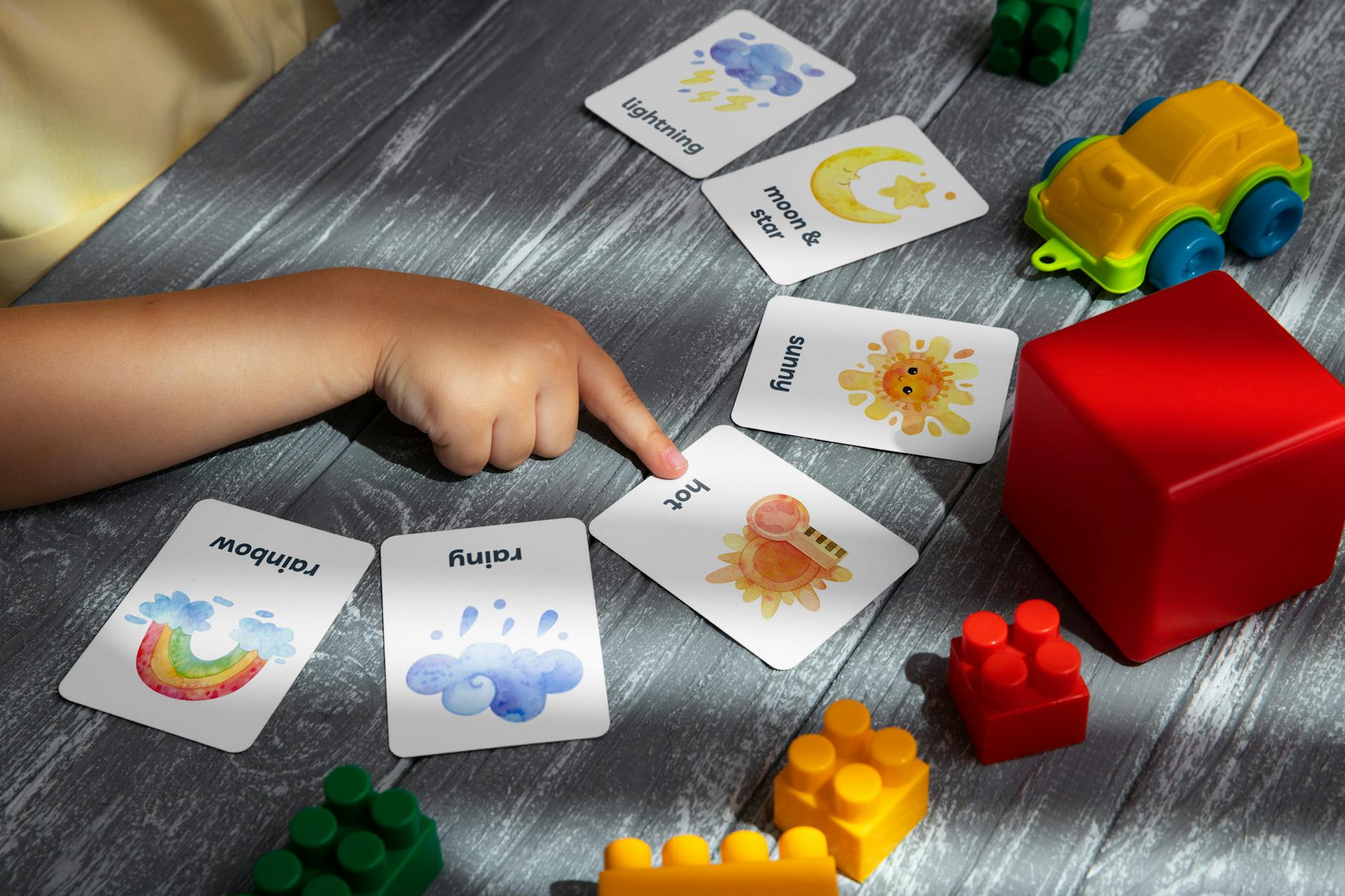
The short answer: flashcards work best when you make them yourself, test yourself from the answer side, and review them on a spaced schedule rather than in one long sitting. The card is a retrieval prompt, not a reading aid, and the review loop is where the memory is built.
Most students own a deck they never finish, or finish once and forget by exam week. The difference is not the app. It is whether the card makes you produce an answer and whether you see it again at the right time.
Flashcards at a Glance
| Question | Answer |
|---|---|
| Do flashcards help learning? | Yes, when used for retrieval, not for rereading the front. |
| Store bought or self made? | Self made cards tend to stick better because you process the material while writing. |
| How often should I review? | On a spaced schedule: same day, next day, a few days later, then weekly. |
| Should I flip both ways? | Yes, test from the prompt and from the answer when the material allows. |
| What defeats flashcards? | Long cram sessions and cards you never retire or fix. |
Why Flashcards Help
A flashcard is a retrieval prompt. You see a cue, try to pull the answer from memory, then check. That act of retrieving is what builds memory. In a review of ten study techniques, Dunlosky and colleagues rated practice testing, which includes self made flashcards, as a high utility method for improving learning across ages and subjects, while rereading and highlighting landed in the low utility group Dunlosky, "Strengthening the Student Toolbox".
The simple version: a card forces you to produce an answer instead of nodding at a familiar page. Familiarity feels like knowing, but the exam asks you to produce. Flashcards close that gap, provided you actually retrieve and do not just flip.
A separate line of work shows why the schedule matters. Roediger and Karpicke had students study a passage, then either take recall tests or restudy it. On a test given a week later, the testing group remembered substantially more, even though the restudying group had read the passage about four times as often Roediger & Karpicke, "Test-Enhanced Learning," 2006. The lesson for flashcards: the retrieval, not the rereading, is what builds the memory.
Build Cards That Prompt Recall
Write the card as a question
Use a clear prompt on the front and a specific answer on the back. "What is the powerhouse of the cell?" works better than a vague label like "cells." A precise question gives your brain a target.
Keep one fact per card
Cards that try to hold five facts become paragraphs, and paragraphs are hard to retrieve in a few seconds. Split them. One idea per card keeps the retrieval fast and honest, and makes spacing easier later.
Make them yourself
Students who generate their own cards engage with the material while writing. That processing helps the later recall. If you borrow a deck, rewrite it in your own words before you trust it, because the generation step is part of why the method works.
Use images only when they help
A diagram of a process can be worth a card. A decorative picture usually is not. Ask whether the image adds a retrieval cue or just decoration. If it is decoration, it is costing you time without building memory.
The Review Loop
Step 1: Learn the card once
Read the answer, then immediately try to reproduce it from the prompt. Do not move on until you can state the answer without peeking. This first pass is where you find cards that are too vague to answer.
Step 2: Test from the answer side too
For vocabulary and many concepts, flip the card. Seeing the term and producing the definition is one skill. Seeing the definition and producing the term is another. Both matter on tests that ask in either direction, and skipping one direction leaves a blind spot.
Step 3: Space the reviews
Do not grind a deck for three hours the night before. Review a batch, then return the next day, then a few days later, then weekly. Spacing is one of the most reliable findings in learning research. A meta analysis of distributed practice across 317 experiments found that spaced presentations led to markedly better final test performance than massed ones Cepeda et al., 2006. The mechanism is that forgetting and relearning strengthens the trace more than repeated immediate review.
Step 4: Retire what you know, fix what you miss
Once a card is answered correctly two or three times across spaced sessions, see it less often. If you miss a card, rewrite it so the prompt is clearer, then keep it in the active rotation. A card you always miss needs a rewrite, not more repetitions.
A Simple Weekly Plan
Suppose you have 60 cards for a unit.
- Day 1: Make the cards and learn each once.
- Day 2: Review the full deck; mark misses.
- Day 4: Review only the misses plus a sample of the hits.
- Day 7: Full review; retire the cards answered correctly twice in a row.
- Day 14: Quick pass on whatever remains shaky.
The spacing does the work the all night cram cannot. A single long session feels productive and fades fast.
Common Misconceptions
- "Reading the answer is studying." You must produce, not peek. The retrieval is the workout.
- "Cramming the whole deck once is fine." Massed practice fades faster than spaced review.
- "More cards is better." A huge deck you never finish helps less than a small one you actually review.
- "Decorating helps memory." Pretty decks that do not prompt recall waste time.
- "One direction is enough." Two way testing catches a common blind spot.
Frequently Asked Questions
Are digital or paper flashcards better?
Neither is inherently better. The method matters more than the medium. The part students skip by hand is the spacing, so whatever helps you review on schedule is the right tool.
How many new cards per day?
Start with 10 to 20 new cards and keep the total daily review under about 20 minutes. A small steady stream beats a weekend pile.
Should I use someone else's deck?
You can, but rewrite it in your own words first. Self generation is part of why flashcards work.
Why do I keep forgetting the same card?
The prompt is probably too broad or the answer too long. Split it into smaller cards with sharper cues.
How is this different from rereading?
Rereading shows you the answer. A flashcard makes you produce it, then checks. Production is the workout; rereading is the warm up.
Can flashcards replace practice problems?
No. Use cards for facts and terms, and use full problems for skills like math. Both are forms of retrieval, but they train different abilities.
About the author
Michael R. spent 12 years as a learning specialist and study skills coach. He writes about the evidence behind study techniques, testing claims like spaced repetition and interleaving against actual student outcomes.