August 10, 2026
Photosynthesis Explained: How Plants Make Glucose
Photosynthesis explained in plain terms: the light reactions and the Calvin cycle. Learn the equation, where each stage happens, and why oxygen is released.
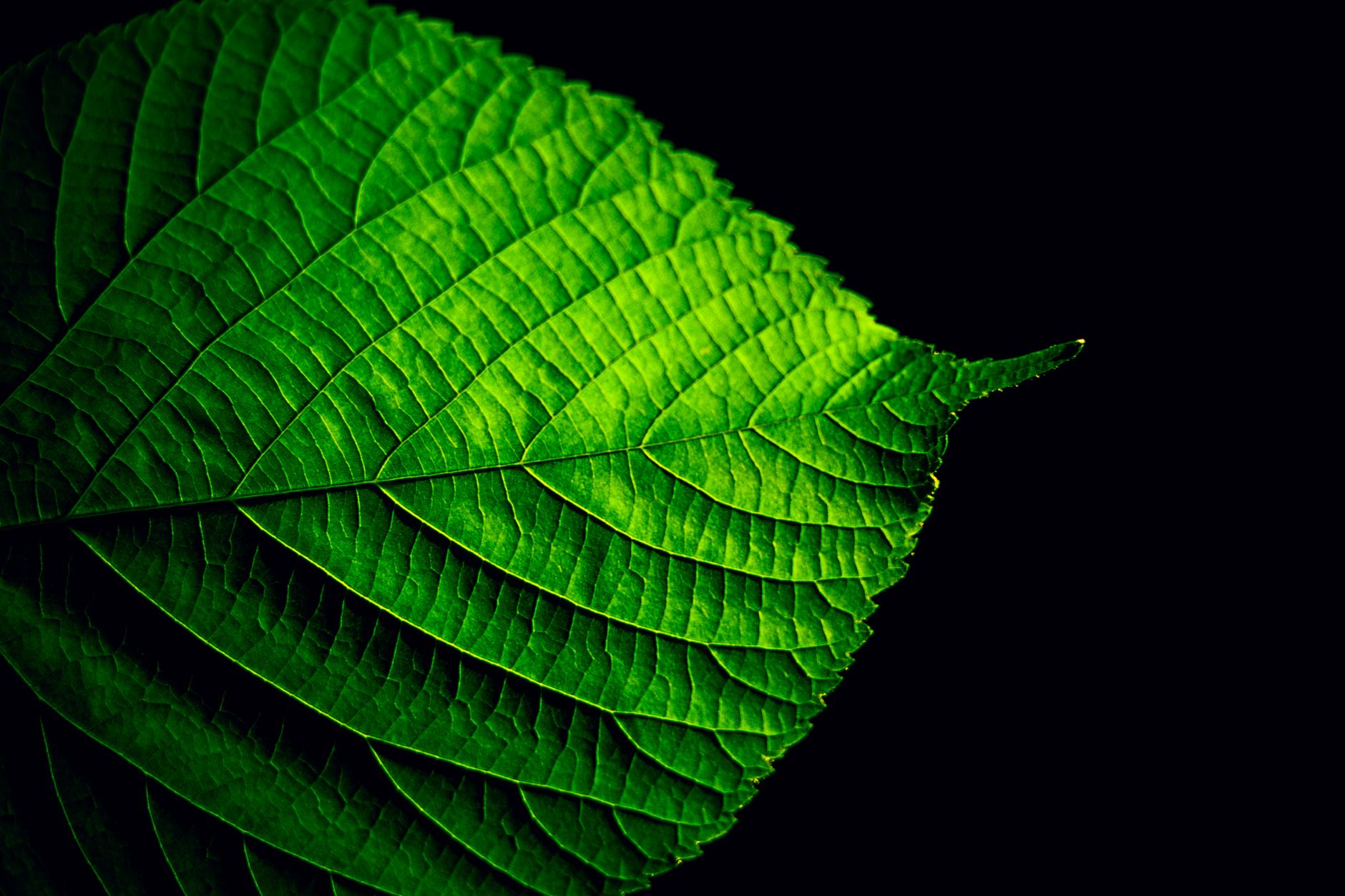
The short answer: photosynthesis is the process plants use to turn light, water, and carbon dioxide into glucose and oxygen. It runs in two stages inside the chloroplast: light reactions that make ATP and NADPH, and the Calvin cycle that builds sugar. This guide explains the equation, the locations, and how the stages connect.
Photosynthesis at a Glance
| Question | Answer |
|---|---|
| Overall equation | 6CO2 + 6H2O + light makes C6H12O6 + 6O2. |
| Main stages | Light reactions and the Calvin cycle. |
| Where | Chloroplast: thylakoid for light, stroma for Calvin. |
| What light reactions make | ATP, NADPH, and oxygen. |
| What Calvin cycle makes | Sugar from CO2, using ATP and NADPH. |
| Where the oxygen comes from | Splitting water, not from CO2. |
The Overall Process
Photosynthesis stores light energy in the chemical bonds of glucose. The balanced overall equation is:
6 CO2 + 6 H2O + light energy → C6H12O6 + 6 O2
Carbon dioxide and water are the reactants; glucose and oxygen are the products. The process takes place in chloroplasts, the green organelles in plant cells and some algae. Chlorophyll, the green pigment, absorbs the light. Khan Academy's overview places these stages clearly for students reviewing the pathway Khan Academy.
Stage 1: The Light Reactions
The light reactions happen in the thylakoid membranes, the stacked discs inside the chloroplast. Chlorophyll catches photons and uses that energy to split water. The split releases oxygen as a byproduct and supplies electrons and hydrogen ions.
The energy is captured in two carrier molecules: ATP, the cell's energy currency, and NADPH, which carries electrons. So the light reactions turn light, water, and NADP+ into ATP, NADPH, and O2. They need light directly, which is why they are called light dependent.
Stage 2: The Calvin Cycle
The Calvin cycle, also called the light-independent reactions, happens in the stroma, the fluid around the thylakoids. It does not need light directly, but it depends on the ATP and NADPH the light reactions produced.
The cycle takes carbon from CO2 and, using the energy of ATP and the electrons of NADPH, builds a three-carbon sugar. Three turns of the cycle fix three CO2 molecules and can yield one molecule of glyceraldehyde-3-phosphate, which the plant assembles into glucose and other compounds. The enzyme RuBisCO attaches CO2 to a starting molecule, a step called carbon fixation.
Why the Two Stages Are Split
The split matches the physics. Light energy is captured only when photons hit chlorophyll, so that work is done in the thylakoid. Building sugar is slower chemistry that runs wherever ATP and NADPH are available, so it happens in the stroma. The products of stage one fuel stage two, and the empty carriers return to stage one to be recharged.
Where the Oxygen Comes From
A common error is thinking the oxygen released comes from carbon dioxide. It comes from water. During the light reactions, water is split (photolysis) and its oxygen atoms leave as O2. This was shown by tracer experiments where the oxygen released carried the oxygen originally in H2O, not in CO2. The glucose carbon, by contrast, comes from CO2.
Photosynthesis and Respiration
Photosynthesis and cellular respiration are opposite bookends. Photosynthesis stores energy in glucose and releases oxygen; respiration breaks glucose down and uses that oxygen to make ATP. The oxygen your cells use to breathe came from photosynthesis, and the CO2 photosynthesis consumes came from respiration and other burning. Our cellular respiration explained guide walks the reverse pathway step by step.
Common Misconceptions
- "The Calvin cycle happens in the thylakoid." It runs in the stroma.
- "Oxygen comes from CO2." It comes from split water.
- "The Calvin cycle needs no light products." It needs ATP and NADPH from the light reactions, so it slows when light stops.
- "The equation is 6 of everything by memory." Six of each small molecule are needed to balance one glucose, but the point is the conservation of atoms, not the rote count.
- "Chlorophyll makes the sugar." Chlorophyll captures light. The sugar is built by enzymes in the Calvin cycle.
- "Photosynthesis only matters in plants." It is also done by algae and some bacteria, and it produces the oxygen most life depends on. For writing this up in class, our lab report guide shows how to structure the explanation.
Frequently Asked Questions
Where does photosynthesis take place?
In chloroplasts, with the light reactions in the thylakoid membranes and the Calvin cycle in the stroma.
What is the overall equation?
6 CO2 + 6 H2O + light → C6H12O6 + 6 O2.
Does the Calvin cycle need light?
Not directly, but it needs ATP and NADPH from the light reactions, so it slows when light stops.
Where does the released oxygen come from?
From the splitting of water during the light reactions, not from carbon dioxide.
What does RuBisCO do?
It fixes carbon by attaching CO2 to a starting molecule, beginning the Calvin cycle.
How is photosynthesis linked to cellular respiration?
Photosynthesis stores energy in glucose and releases oxygen; respiration releases that energy as ATP using the oxygen. The two cycles trade materials. If you want the genetics behind how these systems are inherited and varied, see our genetics basics guide.
Sources
- Khan Academy. Photosynthesis. khanacademy.org
About the author
Michael R. spent 12 years as a learning specialist and study skills coach. He writes about the evidence behind study techniques, testing claims like spaced repetition and interleaving against actual student outcomes.