August 16, 2026
Spanish Study Tips for Beginners
Spanish study tips for beginners: learn high frequency verbs first, review with spaced flashcards, listen daily, and speak early. A simple weekly plan included.
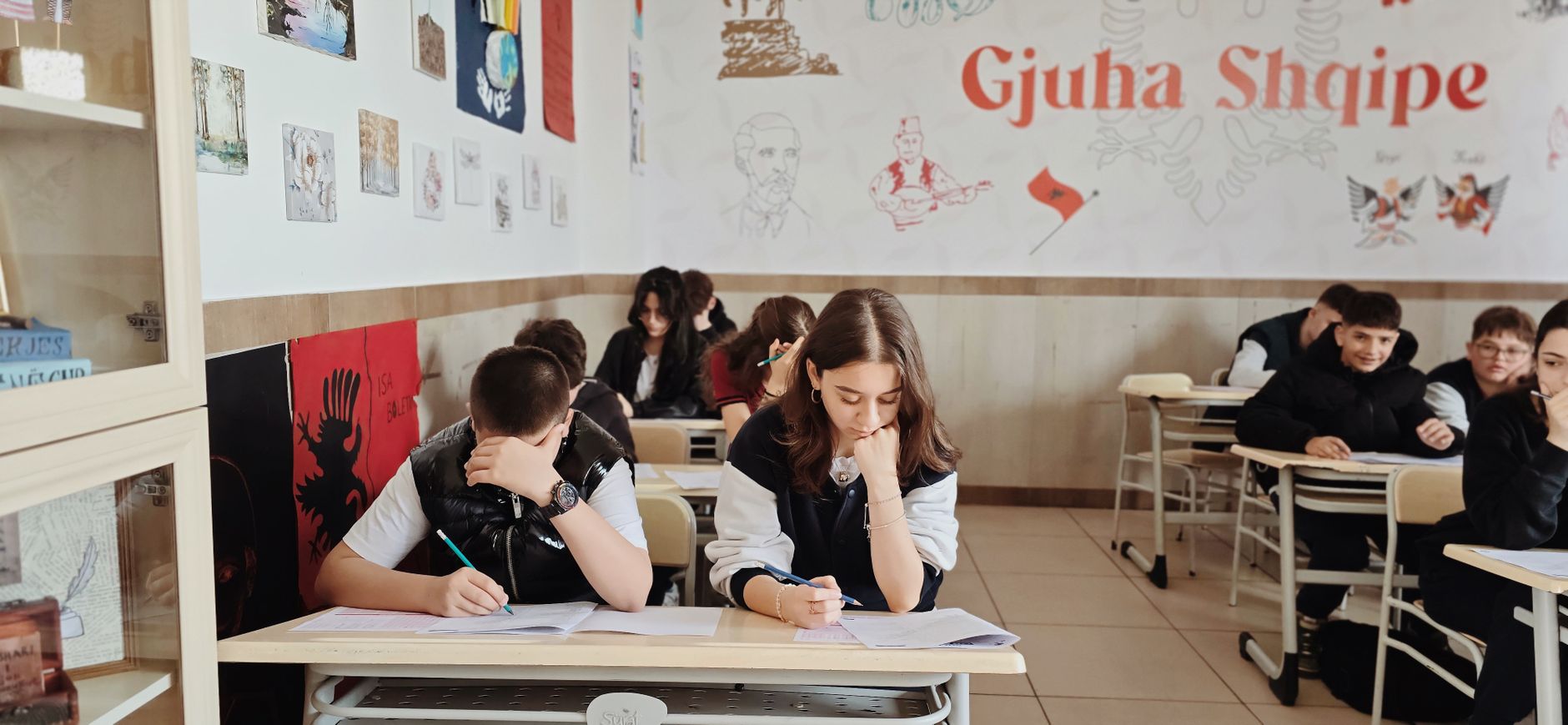
The fastest start in Spanish comes from learning the highest frequency verbs and nouns first, reviewing them with spaced flashcards, and listening or speaking a little every day. This guide gives you a beginner plan based on how languages are actually acquired, not on grinding word lists in isolation.
Spanish Study at a Glance
| Question | Answer |
|---|---|
| Learn first? | High frequency verbs like ser, estar, tener, ir, hablar. |
| Review how? | Spaced repetition flashcards with active recall. |
| Daily minimum? | About twenty minutes of input and review. |
| Speak when? | From the first month, even with mistakes. |
| Time to working level? | The FSI estimates roughly 600 class hours for Spanish. |
| What beats cramming? | Daily contact and comprehensible input you mostly understand. |
Why Spanish Rewards Consistency
Spanish is a Category I language for English speakers per the U.S. Foreign Service Institute, meaning its structure is close enough to English that about 600 class hours can reach professional working proficiency FSI language difficulty. That is a guide, not a guarantee, and self study at lower intensity takes more calendar time. But the point stands: Spanish is among the most reachable languages for an English speaker.
The advantage of Spanish is shared vocabulary. Many English words come from Latin through French or directly, so you already know more than you think. Build on that base with daily contact rather than occasional marathons.
Tip 1: Master the Core Verbs First
A handful of verbs carry most sentences. Learn ser (to be, permanent), estar (to be, state), tener (to have), ir (to go), hacer (to do or make), and hablar (to speak). With these, you can say a lot early.
Do not start with rare irregular verbs. Get the frequent ones automatic, then expand. Conjugation is easier once the verbs are familiar, because you are applying a pattern to words you already use.
Tip 2: Use Spaced Flashcards
Spanish vocabulary fades without review. Use spaced repetition so each word returns just before you forget it. This fights the forgetting curve first described by Ebbinghaus in 1885, and it is the same spacing principle that helps with any subject.
Make cards with a sentence, not just a word pair. "Tengo una casa" teaches the verb in use, which helps you produce it later instead of only recognizing it.
Tip 3: Listen Every Day
Even ten minutes of Spanish audio you mostly understand builds your ear. Podcasts for learners, simple songs, and slow news give comprehensible input, the idea from Stephen Krashen's input hypothesis that we acquire language by understanding messages slightly above our level Krashen input hypothesis.
Aim for material where you catch 80 to 90 percent. If you understand almost nothing, drop to easier content. The goal is input you can follow, because that is what drives acquisition.
Tip 4: Speak From the First Month
Speak out loud even before you feel ready. Describe your day in Spanish. Reply to audio. Find a study partner for short exchanges. Errors are normal and useful; they show you which structures have not settled yet.
Speaking early also exposes gaps that silent study hides. A sentence you thought you knew collapses the moment you try to produce it, which tells you exactly what to review.
Tip 5: Read Easy Spanish
Graded readers and short stories give you words in context. Reading reinforces the verbs and nouns you drilled, and shows grammar as it lives in real sentences. Track your reading and vocab so you can see steady progress.
A Beginner Weekly Plan
- Monday to Friday: 10 minutes listening, 5 minutes flashcards, 5 minutes speaking.
- Saturday: one graded reader chapter plus a written sentence set.
- Sunday: light review of the week's cards only.
Total time is under two hours a week, but daily contact is what makes it work. A language improves through frequency, not through occasional long sessions.
Common Mistakes
- Learning vocabulary in isolated pairs with no sentence. You recognize the word but cannot use it.
- Waiting to speak until perfect, which delays production and confidence.
- Using material far above your level and burning out.
- Skipping daily review so words fade within days.
- Translating every word instead of reading for meaning.
A Realistic Beginner Timeline
The first month is about building the habit, not reaching fluency. Weeks one to two cover core verbs, daily ten minute listening, and your first flashcards. Weeks three to four add short spoken sentences about your day, even with errors. By month two, graded readers feel less like decoding and more like reading.
The FSI estimate of about 600 class hours is a full time, intensive target FSI language difficulty. At five focused hours a week, that is more than two years. That sounds long, but you do not need professional working proficiency to hold a conversation or travel. Most learners reach useful speaking ability well before the 600 hour mark, because conversation needs a small fraction of the total vocabulary.
A mistake is to compare your pace to a fluent speaker you meet online. They have thousands of hours you did not see. Compare yourself to where you were in week one. If you can order food, describe your routine, and ask a basic question, you are progressing exactly as expected. Language learning is cumulative, and the early plateau where everything sounds fast is normal.
Tracking What Sticks
Keep a simple log of words you can use, not just words you have seen. A word you recognize in a list is not the same as a word you can pull up while speaking. Review the log weekly and mark which items moved from passive to active. That small habit shows you real progress and tells you where to focus next.
Common Misconceptions
- "You must live abroad to learn Spanish." Daily input at home builds a working level without immersion.
- "Grammar first, then speaking." Leading with core verbs and input gets you producing sooner than drilling rules.
- "More words equals more fluency." A small set of high frequency words carries most sentences. Depth beats a long list.
- "Mistakes mean you are failing." Errors are feedback that shows which structure has not settled.
Frequently Asked Questions
What Spanish verbs should I learn first?
The highest frequency ones: ser, estar, tener, ir, hacer, and hablar. They appear in most everyday sentences, so early mastery pays off.
How long does Spanish take?
The FSI suggests about 600 class hours for working proficiency, but daily self study at lower intensity still works, just over more calendar time FSI language difficulty.
Do I need to learn grammar rules early?
Light rules help, but lead with input and the core verbs. Grammar makes more sense once you have heard the patterns.
Is spaced repetition worth the setup?
Yes. Without review, new words fade quickly. Spaced flashcards keep them with far less total time than rereading. Our vocabulary building guide covers the method.
Can I learn Spanish for free?
Yes. Free input, flashcards, and speaking partners cover the essentials. The cost is consistency, not money.
Should I focus on listening or reading first?
Both, but listening builds your ear early. Add reading as soon as you know a few dozen words.
About the author
Michael R. spent 12 years as a learning specialist and study skills coach. He writes about the evidence behind study techniques, testing claims like spaced repetition and interleaving against actual student outcomes.