June 16, 2026
How to Manage a Classroom
Learn how to manage a classroom with clear routines, consistent responses, and strong relationships, based on classroom management research.
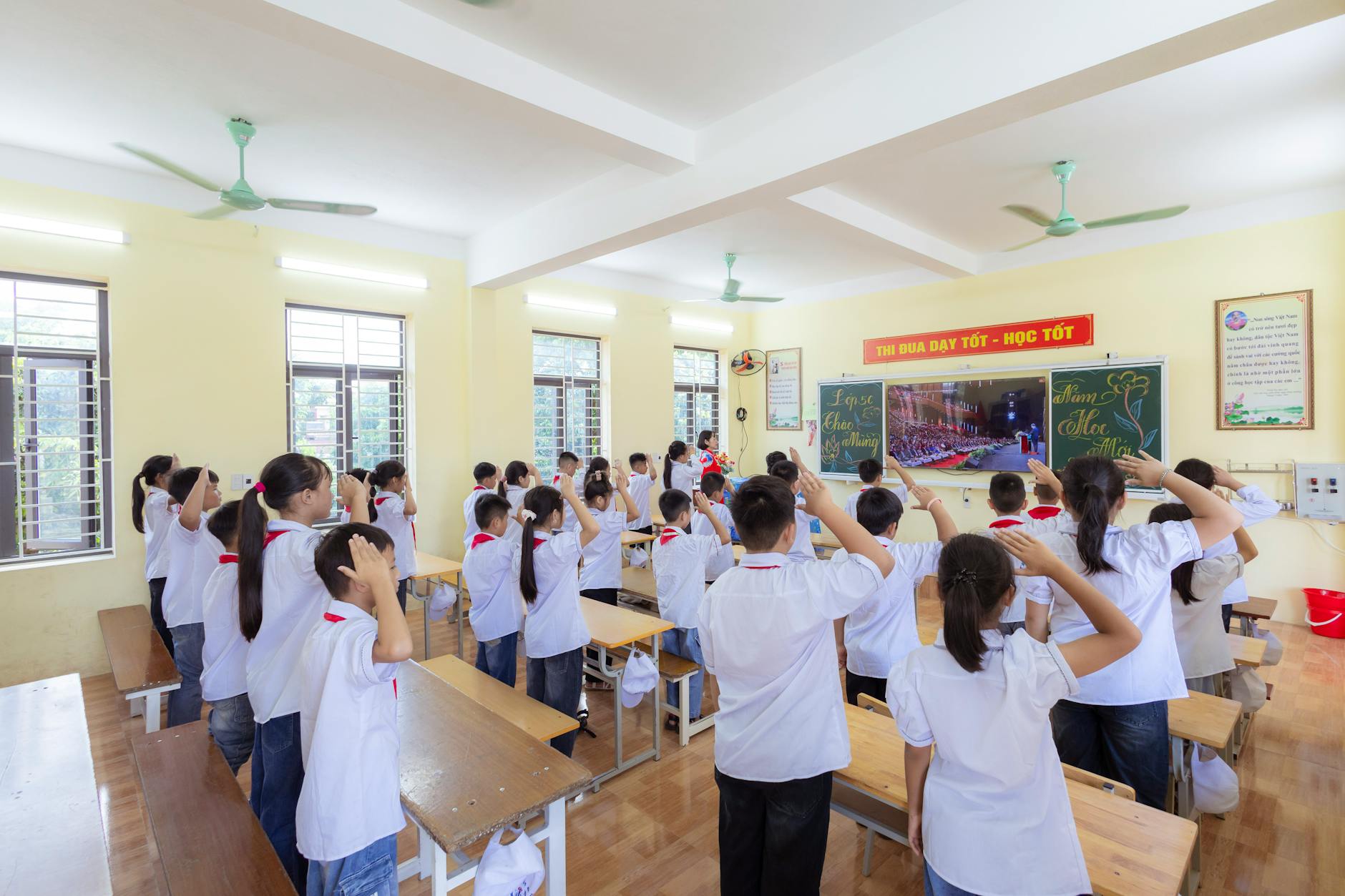
The short answer: you manage a classroom by setting a small number of clear routines, responding to behavior the same way each time, and building relationships so students want to meet expectations. This prevents most disruption before it starts. This guide gives a structure you can apply on day one.
I have taught high school for fifteen years, and the rooms that run smoothly are not the strictest. They are the most predictable. Students behave better when they know exactly what is expected and see that the rules apply to everyone, including me.
Classroom Management at a Glance
| Question | Answer |
|---|---|
| What is the foundation? | A few clear, taught routines students can follow without reminders. |
| How should I respond to issues? | With calm, consistent consequences applied the same way each time. |
| Does relationship matter? | Yes. Students meet expectations more readily from adults they trust. |
| What prevents most problems? | Engaging work and clear structure, not stricter rules. |
| When do I step in? | Early and quietly, before a small issue grows. |
| Is it only about discipline? | No. Good management is mostly about setup, not reaction. |
Build a few clear routines
Pick the moments that repeat daily: entry, materials, transitions, and exit. Teach each one like a lesson, then practice it. A class that knows how to enter and start earns you minutes every period, and those minutes lower friction all day.
Keep the list short. Five routines done well beat twenty rules no one remembers. Post them, model them, and revisit after breaks when habits slip.
Research supports this focus. A 2025 meta-analysis of classroom management found that effective classroom management positively affects student achievement across contexts, and an updated meta-analysis from 2023 reported a small but significant average effect. The takeaway is that management is a real lever, not a soft extra.
Be consistent in response
Students test limits to find the real line. If the same behavior gets a warning on Monday and a laugh on Tuesday, the rule is unclear, not ignored. Decide your response ladder before the year starts: a private cue, then a reset, then a consequence, applied the same way each time.
Consistency is what makes a consequence feel fair. Fairness, more than severity, keeps a room calm.
Build relationships early
Management is easier with trust. Learn a few facts about each student in the first weeks. Greet them at the door, use their names, and show interest in their work. A student who believes you are on their side is far less likely to disrupt.
This is not extra credit, it is the base layer. Relationship work reduces the number of times you ever need the consequence ladder. Marzano's earlier meta-analysis of classroom management research points to teacher student relationships as the keystone for other aspects of management.
Prevent problems with structure
Most disruption is boredom or confusion in disguise. Clear instructions, visible goals, and work that is neither too hard nor too easy keep students occupied. When the task is right, there is less room for trouble to start.
Use the engagement strategies from lesson planning to keep momentum. A class moving through short cycles has less idle time to fill with misbehavior.
Step in early and quietly
Small issues grow when ignored. A private word, a hand on the desk, or a name on the board stops more than a public confrontation. Public correction can escalate a power struggle you do not need.
Save the bigger response for the behavior that truly breaks the agreement, and apply it without anger so the room reads it as routine.
What a calm first week looks like
Structure in the opening days sets the tone for the term. A simple plan beats an ambitious one.
| Day | Focus | Action |
|---|---|---|
| 1 | Entry routine | Teach and model how to enter and start |
| 2 | Materials routine | Practice where supplies go |
| 3 | Transition routine | Time one transition with a signal |
| 4 | Exit routine | Rehearse the end of period |
| 5 | First relationship moment | Learn three students' interests |
By Friday, the class knows the shape of a period without you narrating it. That frees your attention for teaching.
Handling the first disruption
When the first issue appears, stay quiet and close. A private cue, a hand on the desk, or a name on the board resolves more than a public call out. Save louder responses for behavior that breaks the shared agreement. Students read consistency quickly, and they relax when the lines are clear.
Use engagement to prevent disruption
Most disruption is not defiance, it is unused time. A class that is moving through clear, varied work has less room for trouble. Structure your lessons in short cycles: a quick hook, a short teaching segment, then a task students do, then a check. The doing keeps hands and minds busy.
Make work fit the student
Tasks that are too hard produce panic; tasks that are too easy produce boredom. Both lead to off task behavior. Aim for work where a student can succeed with effort. When you see a studentchecked out, check the level of the task before the level of the child.
Give specific praise
Name the behavior you want repeated. "You started the moment the bell rang" works better than "good job." Specific praise teaches the routine and builds the relationship at the same time.
Working with families and the wider system
Management does not stop at the classroom door. The families of your students are part of the picture.
Communicate the routines
When parents know your entry and exit routines, they can reinforce them at home for younger students. A short note at the start of term describing your expectations prevents surprise and builds trust.
Loop in support staff early
For a student who struggles repeatedly, bring in a counselor or special education colleague before frustration builds. Early, calm collaboration serves the child better than a long list of incidents saved for a meeting.
Keep the schoolwide line consistent
A classroom runs best when its rules match the school's. If the hallway expects silence and your room expects noise, students carry mixed signals. Align with the shared norms so your routines sit inside a larger, predictable world.
Adjusting the plan across the term
A system that works in week two may slip by week ten. Holidays, new units, and tired students change the room.
Revisit routines after breaks
After a long break, assume the routines need reteaching. Spend the first day back practicing entry and exit again. Skipping this lets old habits return.
Watch for drift in your responses
As the year wears on, it is easy to let small behaviors slide, then snap harshly at a big one. Keep the response ladder steady all term. Consistency in spring matters as much as in fall.
Change one thing at a time
If a routine fails, change a single piece and watch the effect. Changing everything at once hides what worked. Management improves through small, observed adjustments.
Common Misconceptions
- "More rules mean better control." Students cannot hold a long list. A few taught routines work better.
- "Strictness equals management." Harsh, inconsistent responses burn trust faster than they build order.
- "Relationships are soft." They are the base that makes expectations stick.
- "Yelling resets the room." It raises tension and models poor regulation.
- "Management is only for problem classes." Every room runs better with clear structure.
Frequently Asked Questions
How do I manage a class with no prior system?
Start with entry and exit routines plus one transition. Teach and practice for a week before adding more.
What if a consequence does not work?
Revisit whether the behavior is a skill gap, like disorganization, rather than defiance. Some issues need teaching, not punishment.
How do I handle a hostile student?
Stay calm, lower your voice, and move the conversation to a private moment. Public pressure tends to make hostility worse.
Does classroom management differ by age?
The principles hold, but younger students need more practiced routines and older students need more autonomy within the structure.
How long until a new system sticks?
Most classes settle into clear routines within a few weeks of consistent practice, though some groups need longer after long breaks.
Can study groups help management?
Yes. Structured collaboration gives restless students a job and reduces idle time that leads to disruption, when the group has a clear task.
About the author
Michael R. spent 12 years as a learning specialist and study skills coach. He writes about the evidence behind study techniques, testing claims like spaced repetition and interleaving against actual student outcomes.