October 17, 2026
How to Study From YouTube Lectures (Without Rewatching)
Learn how to study from YouTube lectures with a routine that cuts rewatching and turns a video into recall you can actually test.
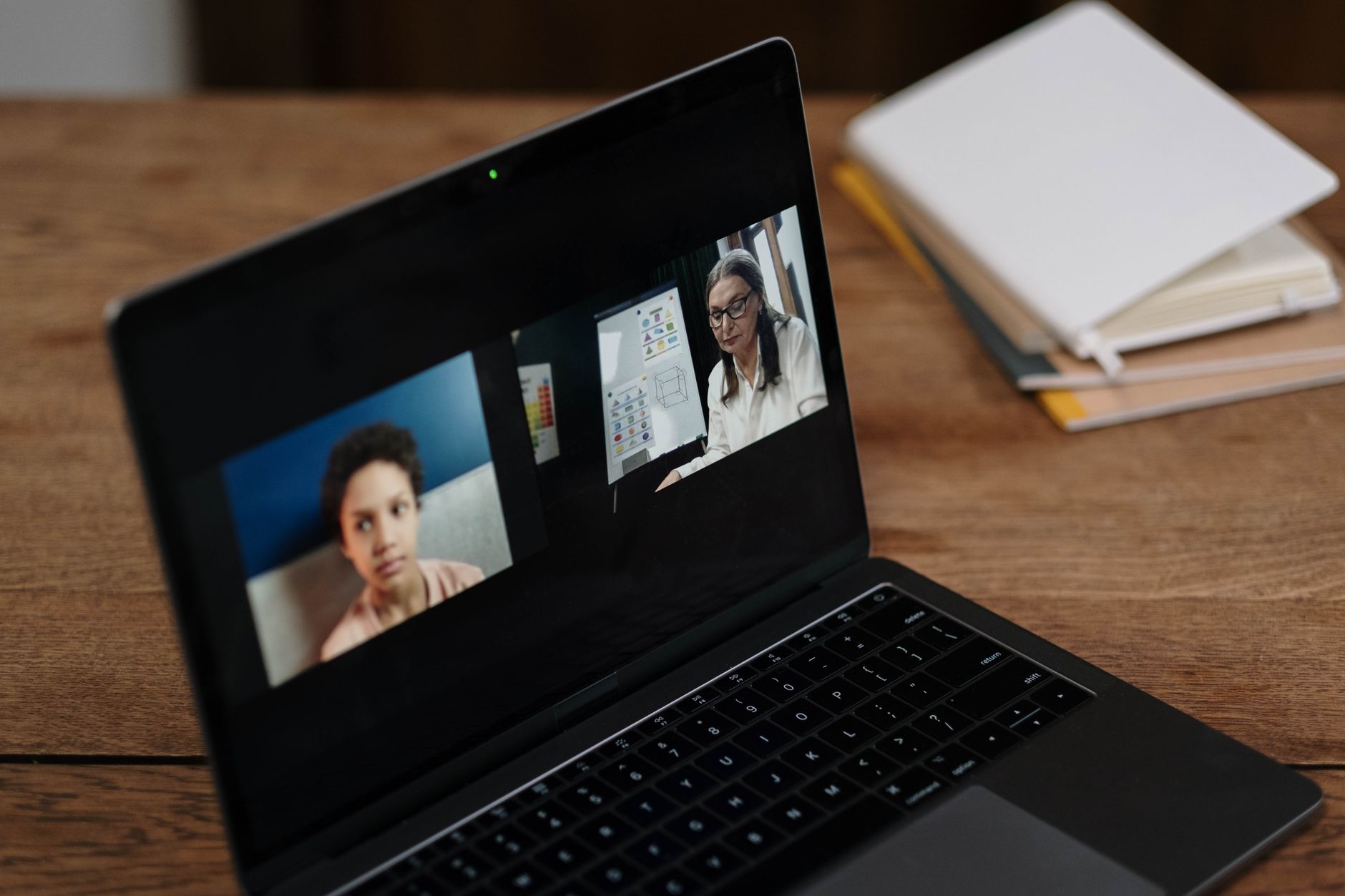
The direct answer: study a YouTube lecture the way you would study for a test on it. Watch it once while capturing a few lines, turn those lines into questions and flashcards the same day, then review them on a spaced schedule. Rewatching becomes a repair tool for one confusing section, not the main event.
YouTube Lectures at a Glance
| Question | Answer |
|---|---|
| Why does rewatching fail? | Replaying a video feels familiar, and familiarity is easy to mistake for knowing. |
| What should I capture while watching? | One line per idea, with the timestamp, plus a "?" for anything confusing. |
| When do I make the cards? | The same day, while you still remember which parts were hard. |
| How do I know it worked? | You can answer your questions with the video closed. |
| How often do I review? | Next day, a few days later, then about a week later. |
| When is rewatching the right move? | When one section still does not make sense after you have tried to answer questions about it. |
Why Watching Feels Like Studying
The second viewing is easier than the first, and that ease is the trap. In a review of ten learning techniques, Dunlosky and colleagues rated rereading and highlighting as low utility because they do not consistently improve performance What Works, What Doesn't. A lecture video has the same weakness. The explanation keeps moving, so the session feels productive even when nothing is sticking.
Retrieval is the difference. Roediger and Karpicke found that students who tested themselves after reading remembered more a week later than students who reread the passage, even though the rereaders felt more confident Roediger and Karpicke, 2006. A video never tests you, so you have to build the test yourself. That is the whole system below.
Step 1: Preview the Video for Two Minutes
Before you press play, read the title, the description, and the chapter markers. Write one sentence: what should I be able to do after this video? Then write two or three questions you expect it to answer.
This small step does real work. It tells your brain what to hold onto, and it gives you a first version of your question bank before the lecture even starts. If you have studied the topic before, this is also a good moment to skim your old notes for thirty seconds so the new material has something to attach to.
Step 2: Watch Once with Light Capture
Play the video at 1x or 1.25x and capture one line per idea, with the timestamp in the margin. Pause only at worked examples and at points that genuinely confuse you. When something does not land, write a "?" next to the line and keep going instead of rewinding.
The failure mode here is aggressive rewinding. Rewinding every thirty seconds turns a twenty-minute video into a two-hour session, and you still cannot explain the topic afterward because you never left the video long enough to try. Use the timestamp system instead: the "?" marks tell you exactly where to return later, so no rewatch is wasted.
One more rule: capture the claim, not the sentence. "Photosynthesis splits water to release oxygen" is a line you can turn into a question. A word-for-word copy of the slide is not. For timing details, our guide to taking lecture notes covers the same principle for live classes.
Step 3: Convert the Lines into Questions the Same Day
Later that day, open your notes and turn each line into a question. Two kinds carry most of the value.
Recall prompts ask for a fact, term, or formula: "What does the light-dependent stage release?" Application prompts ask you to use the idea: "Why does the reaction stop in the dark?" Write both. If you can only write recall prompts, you have probably not understood the idea yet, which is useful to discover on the same day rather than the night before a test.
Say your answer out loud before you check it. The effort of producing an answer is what builds memory, and explaining a concept in your own words is one of the more reliable versions of that effort Retrieval Practice. For the mechanics, our active recall guide goes deeper.
A generator can shorten this step. Paste the link into the lesson generator, and it builds a lesson with a summary, flashcards, and practice questions you can compare against your own. Treat the generated set as a first draft: keep the questions that expose a gap you missed, delete anything ambiguous, and check any claim that surprises you. The checking pass is where a lot of the learning happens, which is why skipping it wastes the tool.
Step 4: Review on a Spacing Schedule
The first review is the next day. Answer each question with the video closed, and only then check. Items you miss come back sooner; items you know well can wait. Spacing reviews out beats doing them all at once, and the gap between sessions should grow as the material gets easier Distributed Practice in Verbal Recall Tasks. Our spaced repetition guide explains how to set the intervals.
When a question keeps failing, that is your signal to rewatch. Open the video at the timestamp, watch that section once, and rewrite the card in your own words. Rewatching now has a job and a stopping point.
A Worked Example: One 45-Minute Lecture
This table is a workable default, not a rule. Adjust the review times to your test date.
| Session | What you do | Time |
|---|---|---|
| Day 0 | Preview, then watch with light capture | 45 to 55 minutes |
| Day 0 | Convert notes into recall and application questions | 20 minutes |
| Day 1 | Answer every question cold, then check | 10 to 12 minutes |
| Day 3 | Retrieve again, rewatch only the "?" sections | 8 to 10 minutes |
| Day 7 | Retrieve again, add cards for new misses | 8 to 10 minutes |
| Day 21 | Quick mixed pass across several lectures | 5 minutes |
The first day costs more than watching and forgetting. The payoff shows up on day three, when you still remember the lecture and do not need to start over. If you have an exam at 8am tomorrow, this is not the plan to run overnight; review what you need and protect your sleep instead.
Common Mistakes
Turning the rewatch into the study session
If you watched the video twice and never tested yourself, you did the easy part twice.
Copying slides instead of claims
Full-sentence notes are hard to turn into questions, so the conversion step gets skipped and the whole system collapses.
Making cards for everything
A definition worth recalling becomes a card. A long explanation becomes a card you will never answer in a few seconds; leave those in your notes and cover them with a practice question.
Skipping the first cold test because it feels bad
Missing half your questions the day after a lecture is normal and useful. It shows you the real gaps while there is still time to close them.
Binge-watching a playlist in one sitting
Two hours of lectures without retrieval produces one vague impression. One video with a full cycle produces material you can retrieve next week.
When Video Is the Wrong Source
Video lectures work well for concepts and explanations. They are weaker for skills that need performance. For math and physics, watch the worked example, then solve similar problems with the video closed; the video can demonstrate the method, but it cannot install it. If a recorded lecture runs past an hour, split it at natural topic breaks and run one cycle per block.
Be honest about the cost, too. This routine adds about half an hour of work to every lecture. During a normal week that is fine. During finals week, reserve it for the two subjects where you have the biggest gaps.
Frequently Asked Questions
Is it bad to take notes while watching a lecture video?
No. Light capture, one line per idea plus a timestamp, keeps your attention on the argument instead of the exact wording.
How soon should I review after watching?
The same day if you can. A short retrieval pass while the video is fresh makes the next day review easier and shows you which sections were never understood.
Can a tool make the flashcards for me?
Yes, a generated set is a reasonable first draft. Check every card against the video before you trust it, and fix anything ambiguous or too fine-grained.
Is watching at 2x speed bad for learning?
Not automatically. Dense new material usually needs 1x to 1.25x, while a review pass can run faster. If you cannot retell a section afterward, the speed was too high for that section.
What if the video has no captions or transcript?
Slow down and use timestamps for the parts you need to revisit. A transcript helps, but it is not required for this routine.
How do I study from a playlist or a full course instead of one video?
Treat each video as its own session and keep one running question bank. Review across videos weekly so earlier material keeps getting retrieved.
About the author
Michael R. spent 12 years as a learning specialist and study skills coach. He writes about the evidence behind study techniques, testing claims like spaced repetition and interleaving against actual student outcomes.