August 1, 2026
How to Win a Science Fair: A Practical Method
Learn how to win a science fair with a testable question, a controlled experiment, repeated trials, and a clear board, plus what judges actually look for.
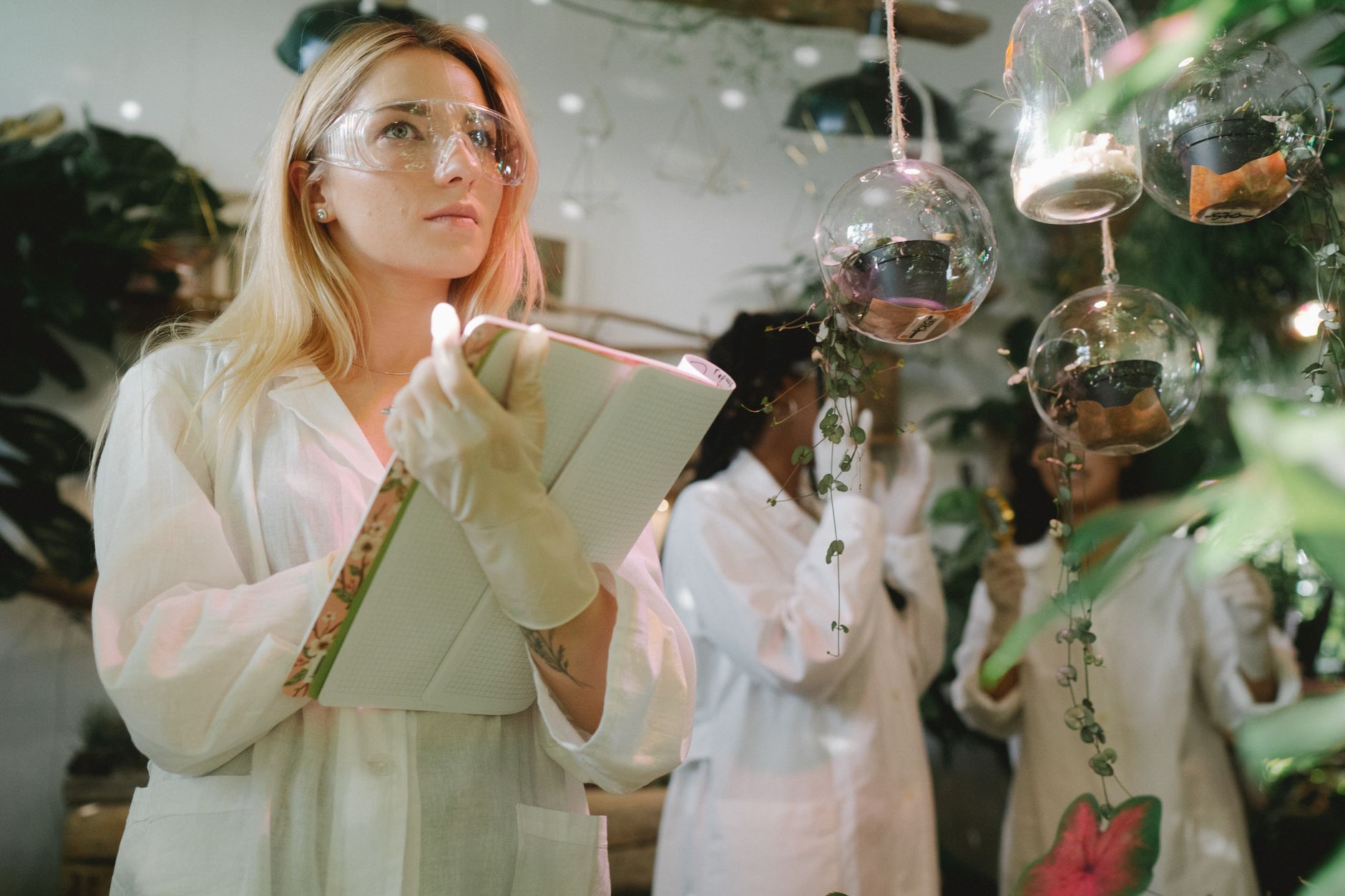
The direct answer: you win a science fair by asking a clear testable question, running a controlled experiment with repeated trials, and presenting the work as a clean scientific story. This guide gives a step by step method, what judges reward, and the display rules that catch students out.
Science Fair at a Glance
| Question | Answer |
|---|---|
| What wins most? | A clear question and a fair test, not a fancy board. |
| What is a testable question? | One that asks how one variable affects another. |
| How many trials? | Repeat at least three times per condition. |
| What goes on the board? | Question, hypothesis, method, data, conclusion. |
| How do I prepare? | Practice explaining it in plain words. |
Ask a Testable Question
Start by observing something and turning it into a question you can test. A strong format is "How does [input] affect [output]?" For example, how does the angle of a ramp affect the distance a toy car travels. The question must be narrow enough to test with the materials you have.
Pick one variable
The input you change is the independent variable. The output you measure is the dependent variable. Everything else should stay the same. These are the controlled variables. Changing more than one thing at a time makes the result impossible to interpret. If you change both the ramp angle and the car weight, you will not know which one caused the change in distance.
A good question is specific enough that a classmate could repeat your experiment and get a comparable result. Vague questions like "Which plant grows best?" leave too many doors open. "How does the amount of daily sunlight, from two to eight hours, affect the height of basil seedlings after three weeks?" is testable and bounded.
Form a Hypothesis Before Testing
State your prediction before you run anything. A hypothesis might say that as the ramp angle increases, the distance increases, with a reason based on energy or force. Judges like to see the reasoning, because it shows you thought about the science, not just guessed.
Keep a lab notebook
Write your plan, your data, and your observations as you go. A neat notebook is evidence of careful work and saves you when building the board. Date each entry. Note when something surprised you. The notebook is the backbone of the project, and students who keep one write better conclusions because they are working from records, not memory.
Run a Fair, Repeated Experiment
Design the test so only the independent variable changes. Repeat each trial at least three times and average the results. More trials reduce the effect of random error. Record numbers, not just "it went farther."
Analyze and graph
Plot your dependent variable against your independent variable. Look for a trend. If your basil under two hours of light barely grew but the eight hour group tripled in height, the graph tells a clearer story than any sentence. Science Buddies, a nonprofit STEM education resource, walks students through this exact sequence from question to display, and stresses that the method and the data must match (Science Buddies project guide).
Build a Clear Display Board
Most school fairs use a three panel tri-fold board about 36 inches tall by 48 inches wide. If you aim higher, the Regeneron ISEF maximum display size is 48 inches wide, 30 inches deep, and 108 inches high measured from the floor to the top of the board (Society for Science display rules). Check your specific fair's limits before you print, because an oversized board can be rejected at setup.
Organize the board like a newspaper: question and research on the left, method and data in the center, conclusion on the right. Use a font of at least 16 points so it reads from a few feet away. Include a title, abstract, hypothesis, variables, materials, procedure, data with charts, conclusion, and a bibliography.
Show the thinking, not just decoration
Judges look for evidence of the scientific method. Missing a hypothesis or data is a common scoring deduction. Make sure each step is present and labeled. A board covered in clip art but missing the actual numbers will not score well, no matter how colorful it looks.
Practice Your Talk
Be ready to explain what you did and why in plain words. Practice with a friend or a parent who knows nothing about your topic. If they look confused, your explanation needs work. The students who place are usually the ones who can explain their project to a ten year old and to a PhD, switching depth without changing the facts.
Handle the hard questions
Judges will probe weak points on purpose. They may ask why you did not control a certain variable, or what you would do differently. Honest answers beat defensiveness. "I did not account for soil temperature, and next time I would measure it" reads as scientific maturity. Claiming perfection when the data shows a flaw loses credibility fast.
Choosing a Topic That Is Safe and Allowed
Before you commit, check your fair's rules on what you can study. Many fairs restrict experiments involving vertebrates, human subjects without consent, or hazardous materials, and they require pre approval for certain categories. A project that breaks a rule can be disqualified no matter how good the science is.
Pick a topic you can actually run with the equipment and time you have. An ambitious question you cannot test is worse than a narrow one you can finish well. The judges reward a clean, complete investigation more than a grand idea left half done.
Working With a Mentor
If your school assigns a teacher mentor, use them for the parts you cannot see yourself: whether the method is fair, whether the data supports the conclusion, and whether the board tells the story. Bring specific questions, not vague updates. "Do my three trials show a real trend or just noise?" is a mentor worthy question.
Presenting the Data Well
Charts should be readable from a few feet away, with labeled axes and units. A common error is a graph with no title or missing axis labels, which forces the judge to guess what they are looking at. Keep the visual simple: one clear trend per chart, and a sentence under it stating what it shows.
Writing the Abstract
The abstract is a short summary of question, method, result, and conclusion, often a single paragraph. Write it last, after you know the outcome. A tight abstract lets a judge grasp your project in thirty seconds, which matters when they are cycling through dozens of boards in a day.
A Sample Timeline
A realistic schedule keeps the project from collapsing into a rush at the end.
- Weeks 1 to 2: Pick the question, get approvals, and write the hypothesis.
- Weeks 3 to 6: Build the setup, run trials, and log data in the notebook.
- Weeks 7 to 8: Graph the results and write the conclusion.
- Weeks 9 to 10: Build the board and practice the talk.
Starting late is the most common reason projects underperform. A fair test with three trials takes longer than students expect, and printing a board takes lead time.
What Judges Score
Judging rubrics vary, but most weight the same things: a clear question, a fair method, a real analysis of data, and a conclusion that matches the evidence. Creativity and a polished board help, but they do not rescue a project with no controllable variable or no repeated trials.
Judges also watch how you handle questions. A student who understands the method can explain why each choice was made. A student who memorized a script cannot adapt when asked something unexpected. Build understanding, not a performance.
Common Mistakes
- Asking a question too broad to test.
- Changing several variables at once.
- Running only one trial.
- Leaving the hypothesis or data off the board.
- Memorizing a script instead of understanding the result.
- Overdecorating and under explaining the actual science.
Frequently Asked Questions
What makes a question testable?
It must ask how one measurable variable affects another, so you can collect data and draw a conclusion.
How many trials should I run?
At least three per condition, with the same procedure each time, so random error does not drive your result.
What is the independent variable?
It is the factor you change on purpose, such as ramp angle or amount of light.
What must be on the board?
A clear title, question, hypothesis, variables, materials, procedure, data with graphs, conclusion, and sources.
How do I prepare for judges?
Explain your method and result in your own words and be honest about limits. Practice with a peer first.
How big can the display board be?
A standard tri-fold is about 36 by 48 inches. The ISEF cap is 48 inches wide, 30 inches deep, and 108 inches high from the floor, but always check your own fair's rules.
Sources
About the author
Grace O. taught AP Biology for 14 years and consulted on AP exam question design. She writes about turning dense biological concepts into reasoning exercises students can actually perform under time pressure.