October 29, 2026
How to Get a Research Internship Abroad: A Student Guide
Discover how to get a research internship abroad with step-by-step outreach templates, funding tips, and application strategies from academic mentors.
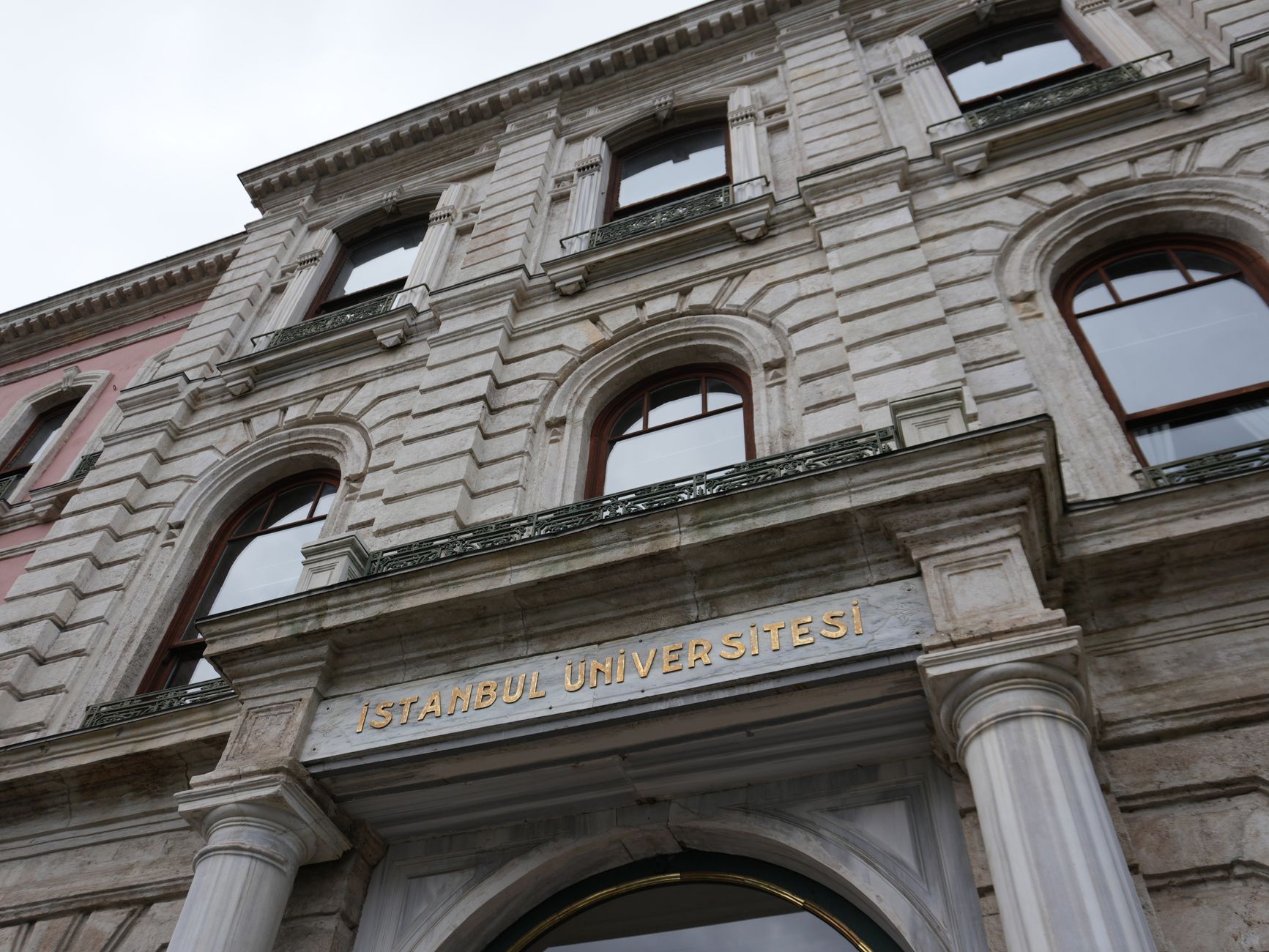
If you want to spend a summer analyzing genomic datasets in Tokyo or researching clean energy in Zurich, you are not alone. Landing a laboratory position in another country builds technical skills, expands your academic network, and sets your graduate school applications apart.
Having mentored undergraduates through international lab applications over the past eight years, I can tell you that getting accepted comes down to clear strategy rather than luck. Here is a quick reference breakdown of what to expect from the process.
How to Get a Research Internship Abroad: The Complete Framework
| Key Element | Detail |
|---|---|
| Primary Pathways | Structured summer programs (e.g., DAAD RISE, Amgen Scholars) or direct PI cold outreach |
| Typical Timeline | 6 to 9 months before program start date (October to January for summer positions) |
| Funding Availability | High for structured programs; variable for cold-emailed lab positions |
| Key Deliverables | Academic CV, customized cover letter, reference letters, official transcript |
| Prerequisites | Prior domestic lab experience or relevant upper-level coursework |
Winning a research position overseas requires two main approaches: applying through fully funded global fellowships or directly pitching university principal investigators (PIs). Both pathways demand early preparation, clear alignment with the lab's ongoing projects, and articulate communication of your technical skills.

Top Global Research Programs for Undergraduates
Structured programs handle logistical hurdles like visas, housing, and stipends. Here are two of the main structured pathways available to undergraduate researchers:
Structured University Fellowships
Many world-class institutions host dedicated summer research initiatives open to international visiting students. Programs like the Amgen Scholars Program operate across top universities in Europe, Asia, and North America, offering funding alongside hands-on laboratory experience. Similarly, the DAAD RISE Germany program pairs North American and UK undergraduates with doctoral researchers in German university laboratories.
Government and Institutional Initiatives
National research agencies often fund international student cohorts. For instance, the CERN OpenLab summer student program in Switzerland targets computer science and engineering majors, while the EPFL Excellence Fellowships in Lausanne host students across life sciences and physical sciences. If you are preparing for rigorous STEM coursework alongside your lab work, working through StudyInk custom lesson tracks can help you master prerequisite concepts before your internship begins.
How to Cold Email Overseas Principal Investigators
When structured application deadlines pass or when you have a specific professor whose work aligns perfectly with your thesis, cold outreach becomes your strongest path.

Step 1: Target 15 to 20 Specific Labs
Start by identifying primary investigators who publish frequently in your narrow field of interest. Look at recent journal articles in your discipline and note the senior authors and their institutional affiliations. Create a spreadsheet tracking the PI name, institution, country, recent publication title, and your specific interest in their methodology
Step 2: Read Recent Publications
Never contact a professor without reading their latest work. You do not need to understand every statistical detail, but you must grasp their primary research question, core experimental methods, and key conclusions. Identify one specific open question or technique mentioned in their discussion section that connects to your background
Step 3: Write a 4-Paragraph Outreach Email
Busy professors receive dozens of inquiry emails weekly. Keep your pitch concise using this layout:
- Paragraph 1: The Hook. Introduce your degree, university, and exact reason for reaching out.
Mention a specific recent paper from their lab. 2.
Paragraph 2: Your Relevance. Highlight your technical skills (such as Python, Western blotting, or statistical modeling) and previous lab experience.
If you are refining your skill presentation, check out our guide on finding student internships for advice on building a research-ready background. 3.
Paragraph 3: Project Alignment. Explain how your current academic focus connects directly to their current project goals.
- Paragraph 4: Call to Action. Request a brief 15-minute video call to discuss potential project availability for the upcoming term.
Attach your CV and transcript as PDFs.
Pro tip: Send outreach emails during the professor's local morning time zone (around 8:00 AM local time on Tuesday or Wednesday). Avoid sending emails on Friday afternoons or weekends.
Preparing High-Impact Application Materials
Whether submitting a fellowship application or emailing a PI directly, your application materials must highlight research potential rather than general academic achievements.
Crafting an Academic CV
Unlike a standard business resume, an academic CV places research experience, technical skills, and relevant coursework at the top. Include specific laboratory techniques, programming languages, analytical software, and instrument capabilities. If you contributed to a published paper or presented a poster at a conference, feature a dedicated section for publications and presentations. For guidance on translating raw project work into scholarly writing, see our detailed guide on writing structured research papers.
Securing Strong Recommendation Letters
International selection committees look for letters that speak directly to your work ethic, problem-solving capability, and independence in a lab setting. Request letters from faculty members who have supervised your research projects or taught you in small, upper-level laboratory courses. Provide your recommenders with your CV, transcript, and a bulleted list of your specific contributions at least four weeks before the deadline.

Common Pitfalls That Cause Rejection
In my years helping students navigate international placements, I have observed several repeatable mistakes that hurt otherwise strong applicants.
Sending Mass Templates
Professors easily spot generic copy-paste templates. If your email could be sent to ten different researchers simply by changing the name in the greeting, it will likely be ignored. Every email must demonstrate that you read and understood that specific lab's work.
Neglecting Visa and Financial Logistics
Do not assume that every lab position automatically includes living stipends or visa sponsorship. When contacting PIs directly, clarify whether the host institution can provide a visiting researcher visa and whether external grants cover stipend expenses.
Waiting Until Spring to Apply
International paperwork, housing arrangements, and background checks require significant lead time. Starting your search in March for a June start date usually results in missed deadlines and administrative delays. Begin your research and outreach during the fall semester.
Frequently Asked Questions
Do I need prior research experience to get an international internship?
While formal lab experience strengthens your application significantly, strong upper-level coursework with hands-on lab components, computational projects, or independent research electives can also demonstrate technical readiness. Highlighting relevant software skills like Python or R can offset a lack of prior formal lab experience.
How do I fund my research internship abroad if the host lab offers no stipend?
Look into institutional grants provided by your home university, such as undergraduate research travel awards or global engagement stipends. Additionally, international organizations and foundations offer competitive travel grants for visiting student researchers.
What language requirements exist for international research labs?
In STEM and social science research, the primary language inside international university labs is almost universally English. While knowing the local language helps with daily life outside the lab, standard academic communication and literature reviews occur in English.
How far in advance should I start applying?
For structured fellowship programs, start gathering materials 6 to 9 months before the program start date. For cold outreach to individual professors, send your initial emails 4 to 6 months in advance to allow adequate time for grant approval and visa processing.
Taking Your Research Journey Global
Getting a research internship abroad requires patience, clear targeting, and early preparation. By identifying host labs early, tailoring your application materials, and presenting your technical skill set clearly, you position yourself as a strong candidate for international research teams.
If you are brushing up on core academic topics or preparing for advanced coursework before heading abroad, test your knowledge with StudyInk practice quizzes or connect with peer study groups to sharpen your understanding. Taking these deliberate steps today sets the groundwork for an unforgettable international academic experience.
About the author
Ryan P. spent 8 years as a career counselor mapping vocational pathways. He writes about the intersection of test performance and career planning, and why some students need a perfect score less than they think.