October 27, 2026
Quick Anxiety Relief Techniques Before Finals: Student Guide
Master quick anxiety relief techniques before finals with proven breathing, grounding, and cognitive reframing tools designed for high-stress exam days.
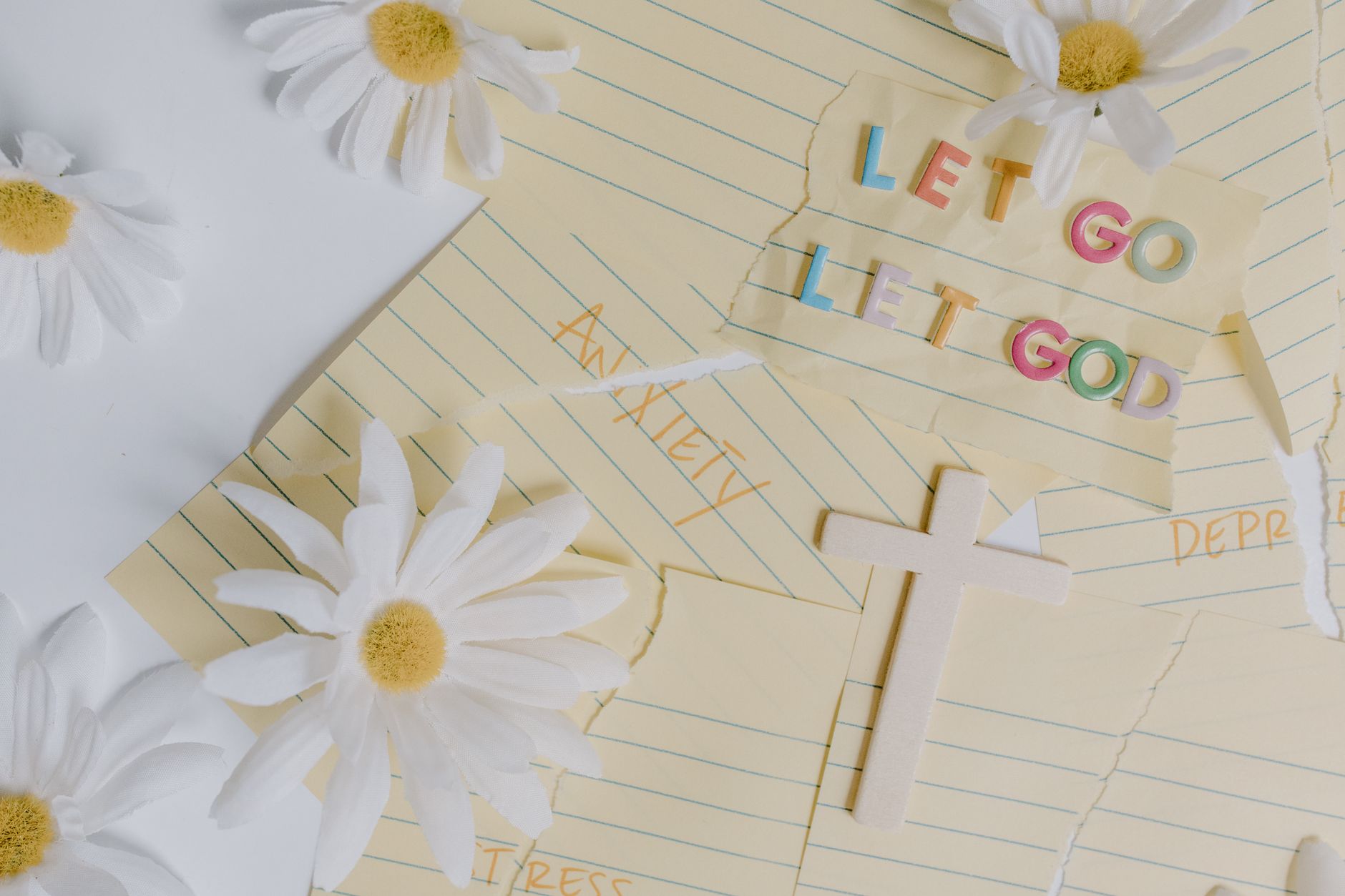
Your hands are clammy, your heart is racing against your ribs, and the quiet room feels suffocating. After teaching high school mathematics and guiding students through high-stakes exam preparation for more than twelve years, I have seen this exact scenario play out hundreds of times. A student prepares for weeks, only to have panic hijack their memory minutes before the test booklet opens.
Learning actionable quick anxiety relief techniques before finals is just as valuable as mastering your subject material. When stress triggers your body's fight-or-flight response, working memory capacity shrinks. The goal right before an exam is not to pretend you feel zero pressure, but to regulate your physical nervous system so your brain can recall what you studied.
| Feature | Quick Relief Focus |
|---|---|
| Primary Goal | Down-regulate nervous system arousal in 1 to 5 minutes |
| Key Mechanisms | Parasympathetic activation, physiological sighs, sensory grounding |
| Best Time to Use | 15 minutes before test time or sitting at your exam desk |
| Equipment Needed | None (uses breathing, body posture, and quick writing drills) |
| Impact on Prep | Preserves working memory capacity and prevents mental blackout |

Why Exam Nerves Spike Right Before the Clock Starts
When you sit down at your exam desk, your brain registers the timer and silent room as a threat environment. Your sympathetic nervous system floods your bloodstream with adrenaline and cortisol. As noted by the Oregon State Academic Success Center, physical symptoms like rapid heart rate, shallow breathing, and cold hands are automatic physical reactions rather than signs of failure.
However, when your heart rate rises rapidly, executive functioning in the prefrontal cortex slows down. That is why you suddenly feel like you forgot formulas you reviewed an hour ago. If you want to dive deeper into long-term stress management, check out our guide on test anxiety before an exam to build long-range resilience. For immediate relief in the exam room, you need methods that alter your physiology quickly.
5-Minute Physical Reset Techniques
1. Controlled Exhalations and Physiological Sighs
When panic takes over, your breathing instinctively becomes shallow, keeping your nervous system trapped in high alert. The fastest biological lever to slow your heart rate is extending your exhalation relative to your inhalation.
Try the physiological sigh: take two quick breaths through your nose (one deep breath followed by a quick top-off breath), then slowly exhale through your mouth for a count of six seconds. Repeating this cycle three times signals to your vagus nerve that you are safe. Alternatively, practice box breathing by inhaling for four seconds, holding for four seconds, exhaling for four seconds, and resting for four seconds
2. The 5-4-3-2-1 Sensory Grounding Method
When your mind spirals into disaster scenarios about failing your final, bring your attention back to your immediate surroundings. Grounding interrupts intrusive thoughts by demanding focus from your senses.
Sit quietly at your desk and identify five items you can see (the desk grain, the clock, your pencil tip), four textures you can physically feel (your feet planted on the floor, your chair backing), three sounds you hear (the hum of air conditioning, pages turning), two smells in the room, and one taste in your mouth. According to practical guidance from Healthline, shifting attention to neutral sensory inputs reduces mental overload.

3. Progressive Muscle Release Under Your Desk
Panic concentrates physical tension in your neck, shoulders, and jaw. You can release this pent-up adrenaline without attracting any attention from test proctors.
Starting with your feet, press your toes firmly against the floor for five seconds, then release. Tense your calves and thighs, hold, and relax. Clench your fists, curl your toes, pull your shoulders toward your ears for five seconds, and drop them down completely as you exhale. Releasing physical tightness sends direct feedback to your brain that the immediate physical danger has passed.
Mindset Shifts to Execute at Your Desk
1. Reframing Anxiety as Readiness
Physiologically, anxiety and excitement are almost identical. Both cause elevated heart rates, heightened alertness, and cortisol spikes. The main difference lies in how your brain labels the sensation.
Instead of telling yourself to relax, tell yourself that your body is preparing energy to tackle hard problems. Remind yourself: "My heart is beating faster because my body is pushing oxygen to my brain so I can focus." Research summarized by University of Colorado Student Life emphasizes that interpreting physiological arousal as performance-enhancing energy reduces feelings of dread.
2. The Pre-Test Memory Dump Protocol
If you worry about forgetting crucial details during the exam, write them down immediately when the proctor says you may begin. Use the blank scratch paper provided for your test.
Spend your first ninety seconds jotting down key formulas, history dates, or essay frameworks. Externalizing this information relieves working memory strain. If you struggle with organizing your study material during review, exploring StudyInk's interactive lessons can help you organize knowledge long before exam day arrives.
Common Mistakes to Avoid the Morning of a Final
Over-Consuming Caffeine or Sugar
Drinking extra energy drinks or double shots of espresso right before an exam mimics panic symptoms. Excessive caffeine triggers trembling, increased heart rate, and gastrointestinal distress, compounding existing test nerves. Stick to your normal routine, drink plain water, and eat a balanced meal containing complex carbohydrates and protein.
Joining Panic Conversations Outside the Test Room
Standing outside the lecture hall twenty minutes before test time while classmates compare notes creates artificial panic. Hearing someone mention a niche concept you did not study triggers unnecessary doubt. Step away from the crowd, put on calm music, or sit quietly in a nearby hallway until the doors open. If you want structured peer support long before test week, work together through collaborative study groups during your regular study schedule instead of panicking right outside the door.
Last-Minute Cramming in the Hallway
Flipping through flashcards five minutes before the paper is handed out yields minimal retention and maximum mental noise. Your brain needs calm transition time to retrieve stored information efficiently. Trust the preparation you did during review sessions. For standardized test practice, using tools like SAT prep guides early in your review phase gives you real confidence well ahead of test day.
Frequently Asked Questions
What should I do if my mind goes blank during the test?
Put your pencil down and pause your work. Take two slow, deep exhalations using box breathing. Read a simple question or skip ahead to a question you know how to answer. Completing one easy problem rebuilds momentum and breaks the fear cycle.
Can breathing exercises work in less than two minutes?
Yes. Slowing your exhalation rate activates parasympathetic nerve signaling within three to four breath cycles, which lowers heart rate noticeably in under ninety seconds.
How can I prepare myself mentally the night before?
Stop studying at least two hours before sleep. Prepare your test supplies, get seven to eight hours of rest, and avoid reviewing notes in bed. Physical rest preserves memory storage far better than late-night cramming.
Building Stress-Resistant Study Habits
Quick calming techniques are essential emergency tools, but long-term anxiety reduction comes from active preparation. Testing yourself under realistic conditions prevents shock on exam day. You can use StudyInk's practice tools to simulate timed conditions, track your performance, and build genuine mastery over difficult material.
When exam day arrives, trust your process. Take a deep breath, release your shoulders, use your scratch paper, and handle each problem one step at a time.
About the author
Marcus B. coached competition math for a decade and scored a perfect 800 on SAT Math. He writes teardowns of test question design, showing students the pattern behind the problem instead of the problem itself.