July 4, 2026
How to Study for a Biology Exam: A Practical Method
How to study for a biology exam by organizing the course into core themes like cells and genetics, then testing yourself on processes with diagrams.
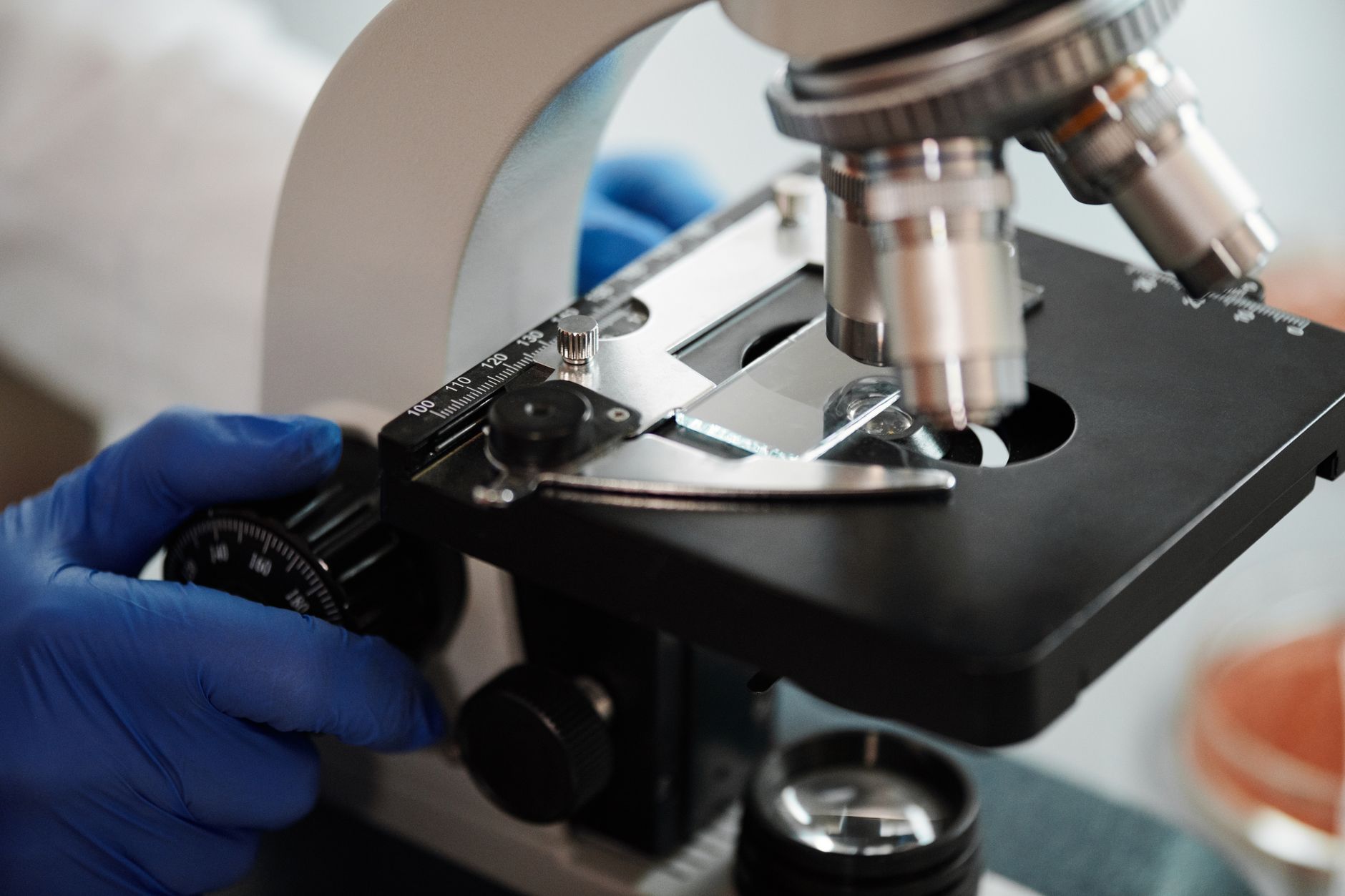
The direct answer is that you prepare for a biology exam by organizing the course into core themes like cells, genetics, and ecology, then testing yourself on concepts and processes rather than rereading. This guide gives a method and examples.
Biology Exam Prep at a Glance
| Question | Answer |
|---|---|
| What are the core themes? | Cells, energy, genetics, evolution, and ecology. |
| How should I study? | Active recall with diagrams and process maps. |
| Is memorization enough? | No, you must explain processes, not just name parts. |
| What helps most? | Self testing with feedback on errors. |
| How do I plan? | Space topics over several weeks, not one cram. |
Organize Around Core Themes
Most introductory biology courses cover a shared set of themes. Cell theory states that cells are the basic unit of life and that all organisms are made of one or more cells. Genetics explains how DNA stores information and how traits pass between generations. Ecology studies how organisms interact with each other and their environment. Evolution by natural selection explains the diversity of life.
When you sort your notes into these themes, the course feels less like a pile of facts and more like a small number of big ideas.
Use the classification system
Living things are classified in a hierarchy: domain, kingdom, phylum, class, order, family, genus, and species. The three domains are Archaea, Bacteria, and Eukarya. Knowing this order helps with any question about relationships between organisms.
Study Processes, Not Just Parts
Biology exams reward understanding of processes. Photosynthesis happens in chloroplasts and turns light energy into chemical energy, summarized by the equation 6CO2 + 6H2O to C6H12O6 + 6O2 (Khan Academy, intro to photosynthesis). Cellular respiration releases that energy. Protein synthesis follows DNA to RNA to protein through transcription and translation. A detailed walkthrough of the light reactions is available from Microbe Notes.
Draw the process
For each major process, draw a simple map with inputs, outputs, and where it occurs. Drawing forces you to recall the steps in order, which is what exam questions test.
Use Active Recall and Diagrams
Close your notes and label a cell, a DNA strand, or a food web. Check, then repeat the ones you missed. The scientific method guide explains how biologists test claims, which helps when an exam asks you to design or critique an experiment.
Mix topics in one session
Once you cover several units, do mixed questions that pull from genetics and ecology together. Mixing trains you to choose the right idea, just like the exam does. The chemistry exam guide pairs well, since biochemistry overlaps with both.
Plan With Spacing
Start at least two to three weeks out. Review cells in week one, genetics in week two, and ecology with mixed sets in week three. The human anatomy guide extends this method to body systems.
A Worked Example: Tracing Photosynthesis
Take the classic exam question: "Explain how energy flows from sunlight to a rabbit." A recall only answer names photosynthesis and stops. A process answer runs the whole chain. Sunlight hits chlorophyll in a chloroplast. The light reactions split water and make ATP and NADPH. The Calvin cycle uses those to fix carbon dioxide into glucose. The plant stores that glucose. The rabbit eats the plant and, through cellular respiration, releases the energy to move and grow. That is one sentence per step, drawn from memory, not memorized as a fact.
Practice this with three more chains: nitrogen from the air into a protein, a mutation in DNA into a changed trait, and a temperature shift into a changed ecosystem. Each chain is a small story. Students who can tell the story without the book have the material.
Make Your Own Diagrams
A diagram you build teaches more than one you copy. Take a blank page and draw the cell, the nephron, or the carbon cycle from memory. Then compare to the textbook and mark what you missed in red. Repeat the blank drawing two days later. The red marks shrink, and that shrinkage is the signal that learning happened.
Why labels matter more than pictures
Exams rarely ask you to recognize a pretty diagram. They ask you to label the missing part or predict what happens if one part fails. Cover the labels on any diagram in your textbook and try to name each structure and its job. That single habit covers a large share of diagram questions.
Use Spaced Retrieval, Not a Single Cram
Biology has more vocabulary than almost any other introductory science, which is exactly why cramming fails. You cannot hold five hundred terms in working memory the night before. Spread them. Learn twenty terms a day for three weeks and retrieve them on a one day, three day, four day schedule. By test day the terms are background, not a last minute load.
Common Misconceptions
- Rereading notes instead of testing recall.
- Naming parts without understanding the process.
- Studying topics in isolation with no mixing.
- Cramming the night before.
- Skipping diagrams, which are common on exams.
- Thinking memorizing terms equals understanding a process.
Frequently Asked Questions
What are the main biology themes?
Cells, energy and metabolism, genetics, evolution, and ecology cover most introductory courses.
Why are processes more important than parts?
Exams ask how things work, such as how DNA copies or how energy flows, so you need the steps, not just names.
How should I use diagrams?
Cover the labels and redraw or relabel from memory. Retrieval from a blank diagram is stronger than reviewing a finished one.
What is natural selection?
It is the process where traits that improve survival and reproduction become more common in a population over generations.
How far ahead should I start?
Two to three weeks lets you space topics and mix them, which beats a single long session.
Can I study biology the night before?
You can review, but new learning that late does not stick. The plan should be mostly done before the final two days.
About the author
Grace O. taught AP Biology for 14 years and consulted on AP exam question design. She writes about turning dense biological concepts into reasoning exercises students can actually perform under time pressure.